Do More Tea Hairs Mean Better Tea? Is Matcha Just Green Tea Powder? 5 Tea Quality Myths
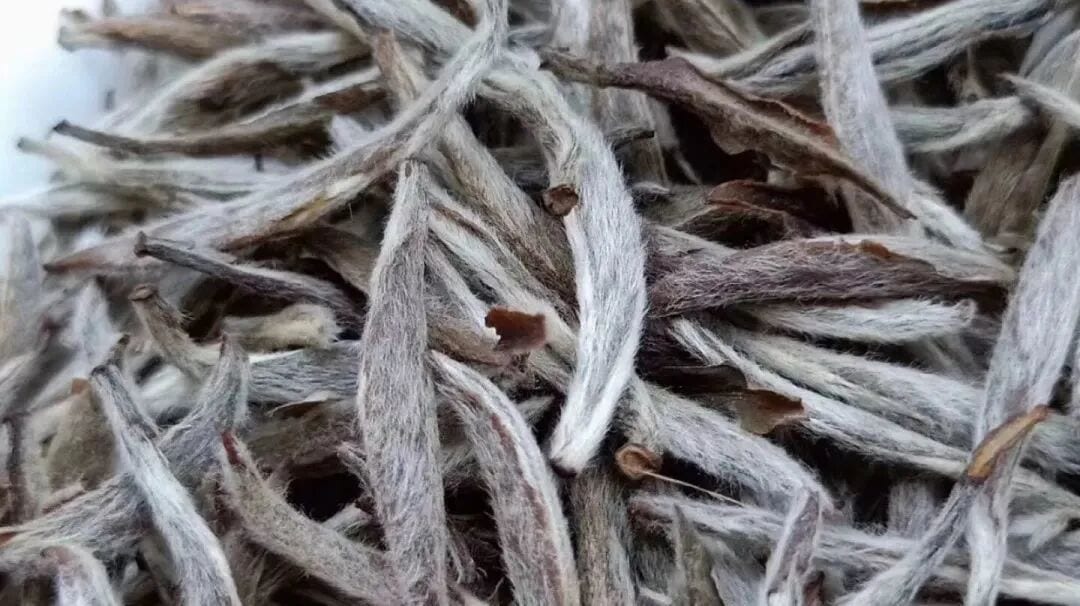
Tea hairs, a bright green color, freshness and a 'pure material' label can each describe one aspect of a tea, but none proves quality by itself. Buyers should also check tea type, cultivar, origin, harvest, processing, lot records and the brewed cup.
| Common claim | Short answer | What to check instead |
|---|---|---|
| Pure material means never blended | Not necessarily | Ask how the seller defines the scope: mountain, village, garden, season, year, grade and tree material. |
| More tea hairs always mean better tea | No | Consider cultivar, leaf tenderness, processing and the brewed result together. |
| Matcha is ordinary powdered green tea | No | Check whether the raw material is tencha and how it was shaded, processed and milled. |
| Newer tea is always better | It depends on the tea | Green tea freshness and Pu-erh storage development are different quality questions. |
| Greener Longjing is always better | No | Assess cultivar, harvest, firing, shape, aroma, liquor and taste—not color alone. |
Does pure-material Pu-erh mean no blending at all?
Not necessarily. 'Pure material' has little purchasing value until its scope is stated. It may refer to one mountain, village, garden, season, harvest year, grade or tree-source range. A finished batch may still be assembled from leaves that all fall within the declared scope. Ask the seller to define the term in writing and connect that definition to the lot, sample and quotation.
Before buying, use the Yunnan ancient-tree label guide to verify origin and batch wording, then compare raw and ripe Pu-erh by process and intended use.
Do more tea hairs always mean better tea?
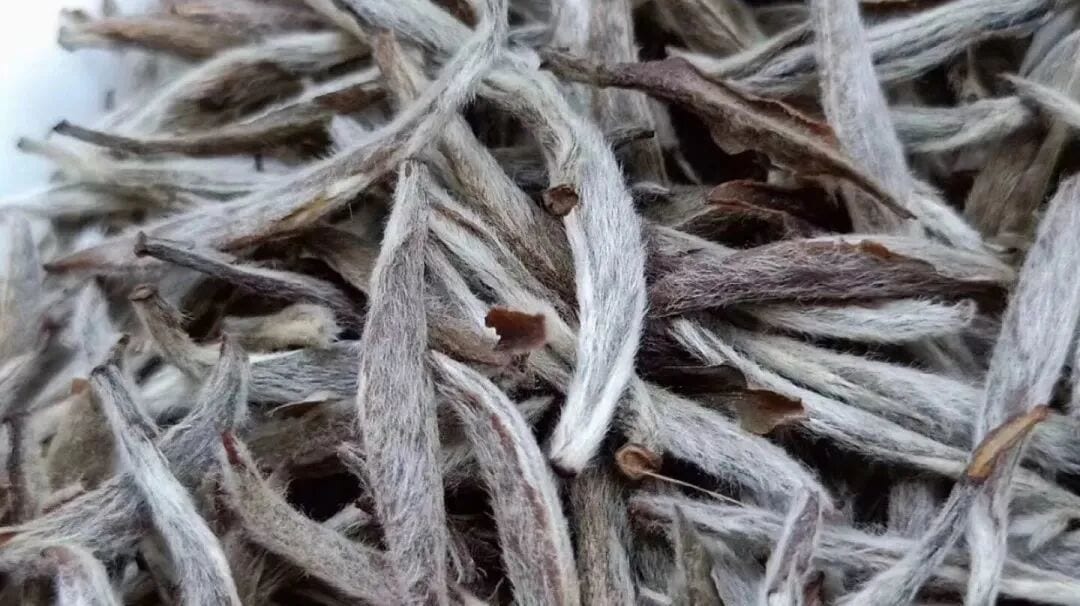
No. Tea hairs, or trichomes, are fine structures on tea shoots and are often conspicuous on tender buds. Their abundance varies with cultivar, leaf maturity and processing. Research has found that trichomes contain soluble metabolites, but their presence alone does not establish the overall quality of a finished tea. Judge the picking standard, processing, aroma, liquor, taste and batch consistency together.
Research reference: 2020 study on tea trichomes and metabolite composition.
Is matcha the same as ordinary green tea powder?
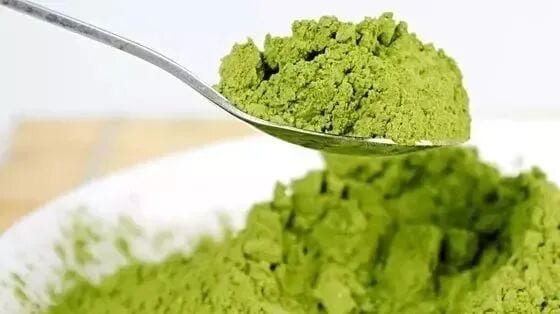
No. Matcha is not defined only by being green and finely milled. Japan's Ministry of Agriculture explains that matcha is made by grinding tencha. Tencha is produced from shaded tea shoots that are steamed and dried without rolling; stems and leaf veins are then removed before grinding. Generic green tea powder may be milled from other green teas and therefore is not automatically matcha.
Official reference: Japan MAFF guide to Uji tea and matcha production .
Is newer tea always better?
No. The preferred drinking window depends on the tea category and storage goal. Green tea is often valued for a fresh aroma and lively cup, while Pu-erh can continue to change after production under suitable storage. A newer date is therefore not a universal quality grade. Check the tea type, processing, storage conditions, batch condition and brewed result.
For context, see this study of chemical and sensory changes in stored ripe Pu-erh.
Is greener Longjing always better?
No. Longjing color varies with cultivar, shoot maturity, harvest timing, firing and storage. A greener photograph cannot prove a higher grade. Evaluate the flat, even appearance of the dry leaf together with aroma, liquor clarity, taste, leaf base and a traceable product specification. Online images should support—not replace—a representative sample.
Technical references include a Longjing quality and chemical-component study and the official Longjing tea product specification . For Yunnan sourcing, learn what Yunnan large-leaf tea means and review the current tea catalogue.
Category labels can mislead in the same way: see how Chinese tea categories are decided by processing before comparing teas by name alone.
Brewing questions are answered separately in five common brewing myths.
Frequently Asked Questions
Do tea hairs prove that a tea is high quality?
No. Tea hairs are influenced by cultivar, shoot maturity and processing. They can be a useful observation, but quality should also be judged from the picking standard, processing, aroma, liquor, taste and batch consistency.
How is matcha different from ordinary green tea powder?
Matcha is ground from tencha made through a specific shaded, steamed and unrolled process. Ordinary green tea powder may be milled from other types of green tea and is not automatically matcha.
What color should good Longjing tea be?
Color varies with cultivar, harvest and firing. It should be assessed together with leaf shape, aroma, liquor, taste, leaf base and a traceable specification; the intensity of green alone does not determine quality.