Where Do Small Tea Brands Find a Supplier? Private Label, Samples First and a Small First Order
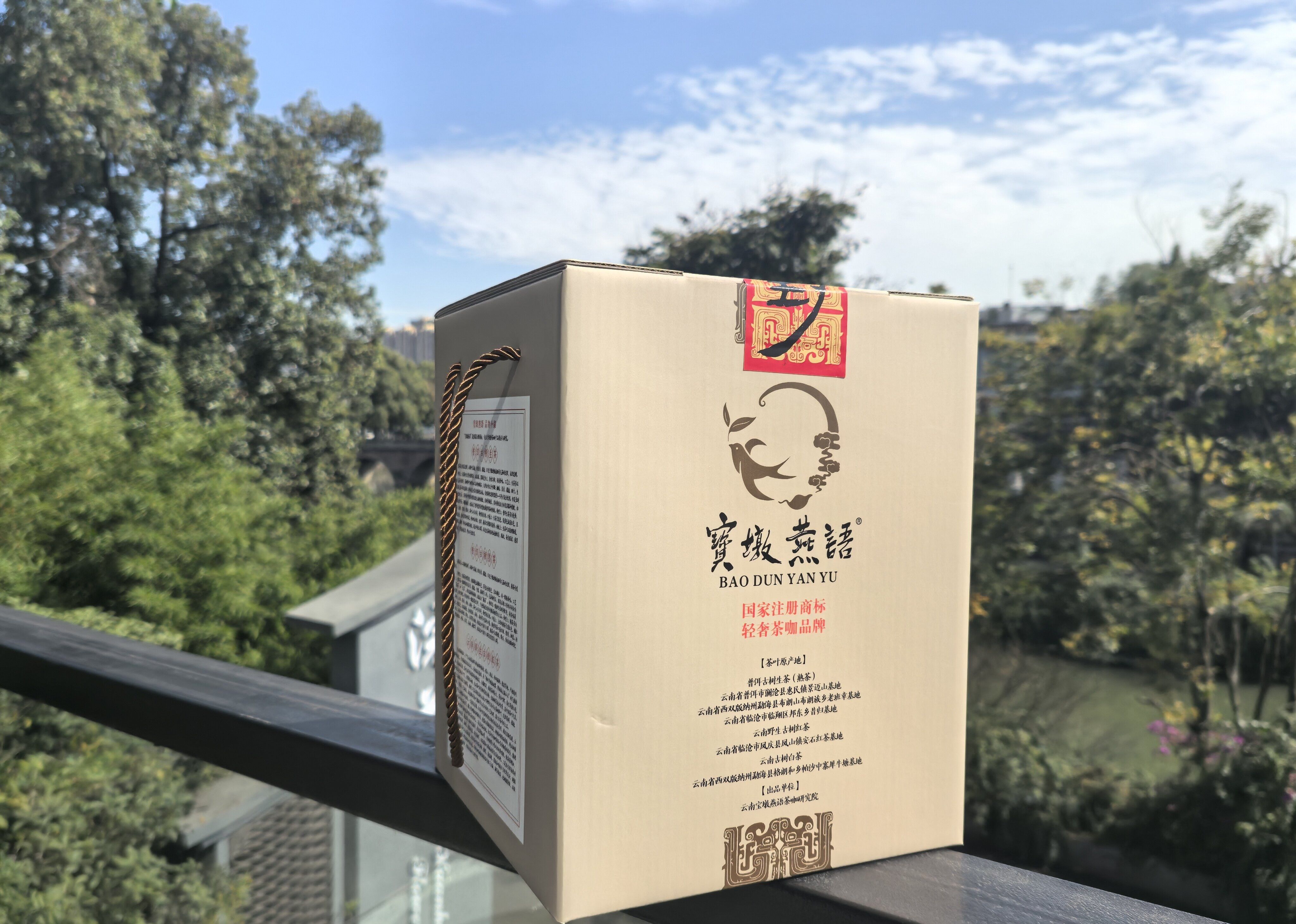
If you are starting an online tea brand, you are not really looking for a factory. You need one supplier who can do three things at the same time: draw the sample from the exact lot you would be buying, sell you a quantity small enough that being wrong about it does not hurt, and put your label on it without a print run you cannot fill. Those three conditions — not the unit price — decide whether a first order is possible at all.
1. Three kinds of supplier, and what each one costs you
- Growers and primary processing stations — the cheapest material, but no packaging, no export documents and usually no contract workflow
- Trading companies — fast quotes at any volume, but the lot can change between sample and shipment because they do not own the material
- Producer-brands — press and pack their own tea; a narrower catalogue, but sample, lot and documents all come from one place
At first-order scale your real risk is not price, it is a sample you cannot reproduce. A good cup you can never buy again is worse for a young brand than a slightly expensive cup you can reorder for three seasons. That is the argument for buying from whoever actually owns the material. If you do buy through a trader, make the lot reference, garden and harvest year part of the written order rather than part of the conversation — otherwise you have no way to prove that the second shipment is the tea your customers bought.
2. Start with one sample, not a catalogue
Ask for the sample to be drawn from the production you would buy, not from "the same tea". In Yunnan a mountain name can cover many gardens and several pickings; two lots from one village in the same spring can differ enough for a repeat customer to notice. Our own practice is that each tea's smallest listed pack is also its sample size — one 357 g cake, or one 500 g loose pack — and the sample comes from the same production as the wholesale lot, with the lot reference written on the order.
Resist the urge to sample fifteen teas. A first line usually needs one anchor tea that defines the brand, plus two or three that give the customer a reason to come back. Taste the same tea twice on different days before you commit: the first session tells you whether you like it, the second tells you whether it is consistent and whether you can describe it to someone who has never tasted Pu-erh.
3. Ask for two minimums, separately
The common trap is a supplier who quotes a friendly tea minimum and then reveals a printing minimum you cannot absorb. These are two different numbers and you should ask for both in the first message. Ours are:
- Tea — from 10 cakes per tea for 357 g pressed cakes; from 2 kg per lot for loose leaf, Dian Hong and white tea
- Basic branding — food-grade cotton paper, your brand label, neutral box; no separate print minimum
- Fully bespoke packaging — own wrapper, inner bag and outer box, from 500 cakes per design
- Packaging is always quoted apart from the tea, so you can see which cost belongs to which decision
4. What private label actually changes — and what it does not
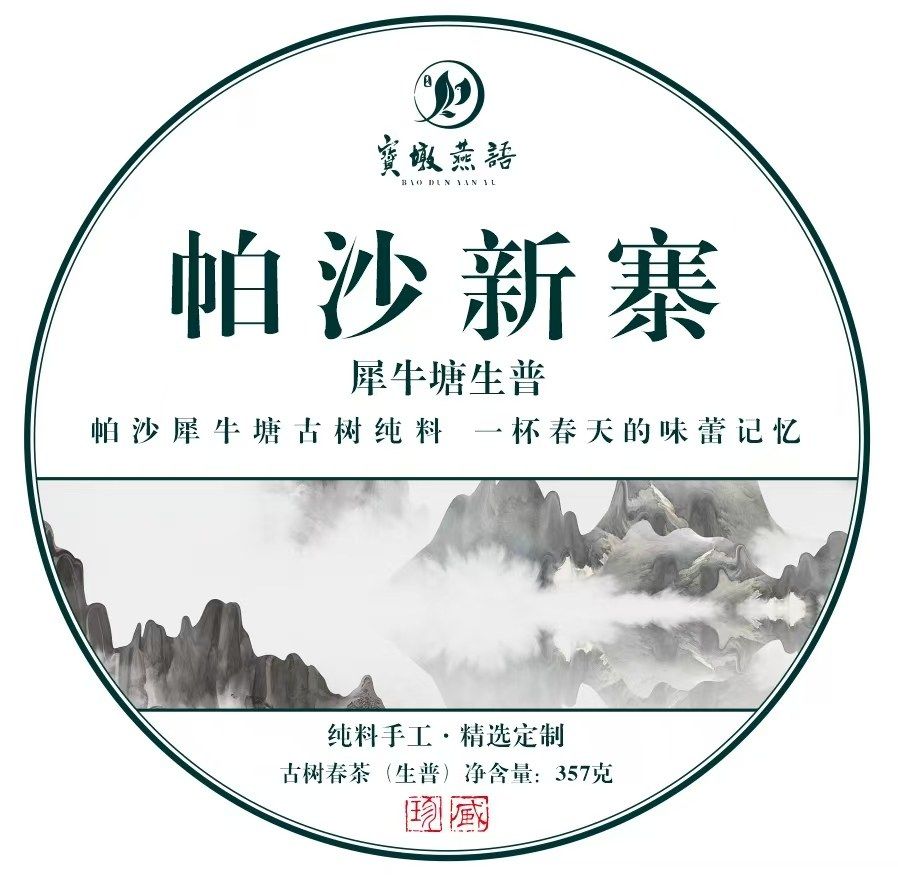
Private label gives you the label, the wrapper, the net-weight format and the box. It does not change the facts of the tea underneath: the mountain, the garden, the tree age and the harvest year stay what they are, and those are the parts that belong in your product description. Lead time grows with artwork rounds rather than with the tea itself, so a project usually slips because a label is still being approved, not because the tea is not ready.
Brand rights stay on your side. We print what you supply, which means the one thing worth doing early is checking what your destination market requires on a food label — ingredients, net weight, importer details, best-before date, language. Confirm that list before the artwork is finalised; discovering it afterwards is what turns a first order into a reprint.
5. Three numbers to settle before you order
First, the first-order quantity per SKU — not the total, the per-tea figure, because that is what the minimum applies to. Second, your expected turnover: pressed raw Pu-erh keeps and even improves with proper storage, while Dian Hong and white tea are better sold fresher, so the two formats tolerate very different stock levels. Third, who handles splitting and shipping.
That third number is the one new brands skip. Small-volume fulfilment is usually arranged in one of a few ways: the whole order ships to your own warehouse and you pick and pack; the order ships in staged cartons against a schedule; or the supplier ships per order on your behalf. These choices change where labelling happens, what the freight costs per unit and who owns the stock in between, so ask before the quote: who splits and repacks, who applies the label, which port or city it ships from, and what the smallest single shipment is. A supplier who answers all four clearly has done it before.
Then plan the second order while you are still discussing the first. Ask whether the same garden can be supplied again next spring, in what volume, and whether material can be held for you. For a brand, repeatability is the product — a tea you cannot reorder is a limited release, and limited releases cannot carry a catalogue.
6. Documents to confirm before you list the product
- Certificate of Origin and the food-safety paperwork your destination market requires
- Third-party pesticide-residue reports meeting EU food import standards
- Lot traceability: mountain, village, garden, ancient-tree age, harvest year and net weight
- Mandatory label content for your market, confirmed before artwork is finalised
Ask for these as part of the sample conversation rather than after the order. A supplier who can produce a test report and a traceability record for the exact lot you tasted is telling you something a product photograph cannot: that the lot is real, documented and still identifiable when you reorder it.
7. A workable sequence
-
Brief, then shortlist
Say what you sell, where you sell it, and roughly how much you expect to move in six months. Three suppliers is enough; the brief is what makes their answers comparable.
-
Sample from a named lot
Request the lot reference, garden and harvest year with the sample. Taste twice, on different days, before you shortlist further.
-
Settle both minimums
Confirm the tea minimum per SKU and the packaging route, with packaging quoted separately from the tea.
-
Artwork against label rules
Finalise the label only after your market's mandatory content is confirmed. Allow for two artwork rounds.
-
First order, then the repeat
Place the smallest order you can be wrong about, collect the documents with the shipment, and agree what the second order looks like.
A first tea order is supposed to be small. The point of it is not margin, it is finding out whether the tea, the packaging and the shipping arrangement all survive contact with real customers — and whether the supplier is still answering questions clearly once the order is placed rather than only while it is being won.
Related reading: seven questions for a private-label supplier, building a first wholesale order, and the FAQ on MOQ, samples and private label.
Frequently Asked Questions
How small can a first private-label order be?
Tea and packaging are counted separately. The tea starts at 10 cakes per tea for 357 g pressed cakes, or 2 kg per lot for loose leaf, Dian Hong and white tea. Basic branding — cotton paper, your label, a neutral box — adds no separate print minimum; fully bespoke packaging starts at 500 cakes per design.
Can I use neutral packaging with my own brand label?
Yes. That is the basic branding route: food-grade cotton paper, your brand label and a neutral box, with no bespoke print run. You supply the label artwork and we apply it to the approved lot. Packaging is quoted separately from the tea.
Do I need a registered trademark before ordering private label?
We print the artwork you supply, and securing brand rights in your own market stays with you. Many new brands start on basic branding while a trademark application is pending. Check your destination market's mandatory label content before artwork is finalised, because that is what usually forces a reprint.