How to Brew and Drink Ancient-Tree Ripe Pu-erh the Right Way
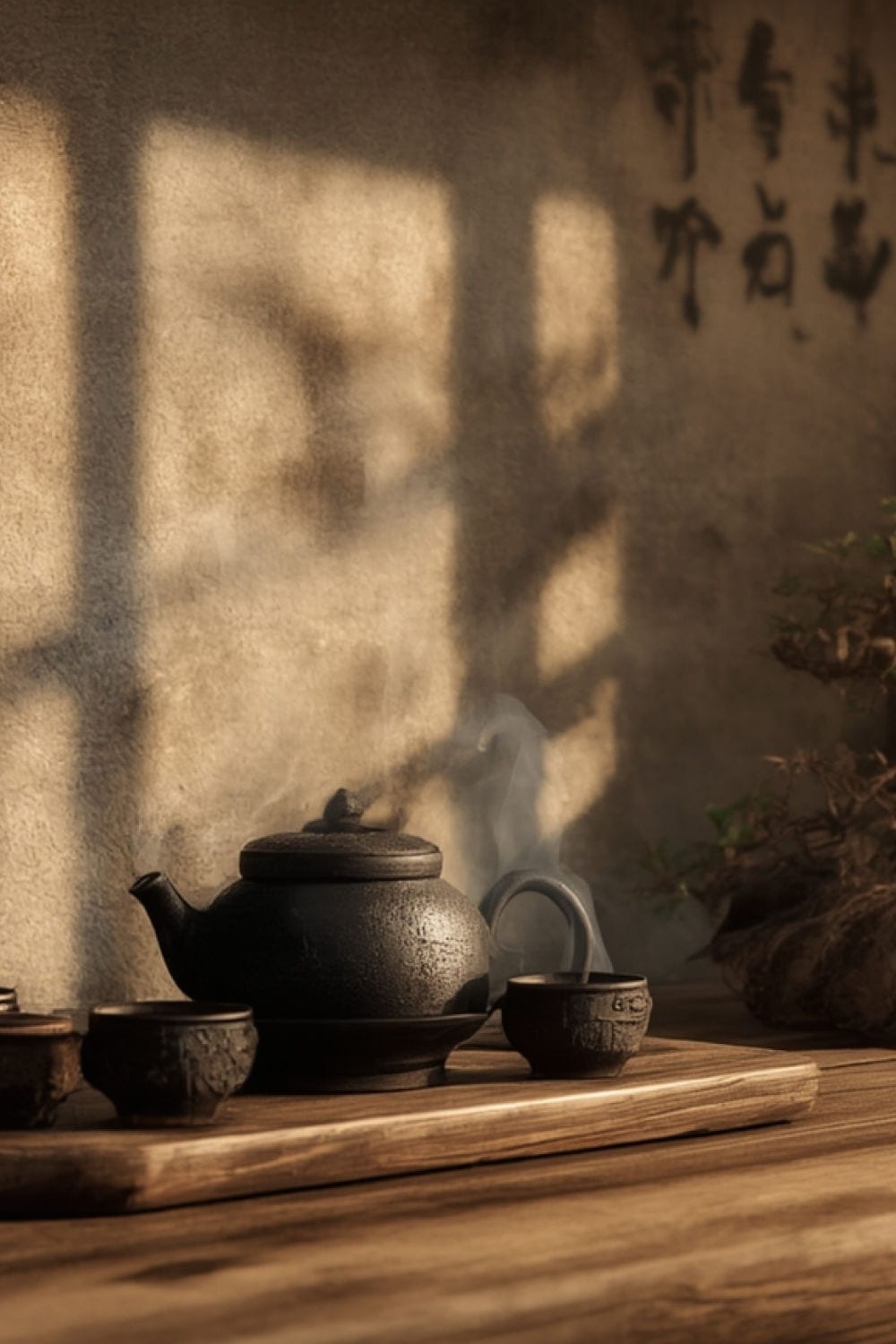
Ripe Pu-erh is brewed hot and fast. Use water at a full 100 °C, rinse the leaf twice and pour both rinses away, keep the first five drinking infusions to around five seconds each, then extend to 10–15 seconds from the sixth. Everything else — vessel, leaf quantity, when to stop — follows from the leaf in front of you rather than from a rule.
1. The tea in this guide
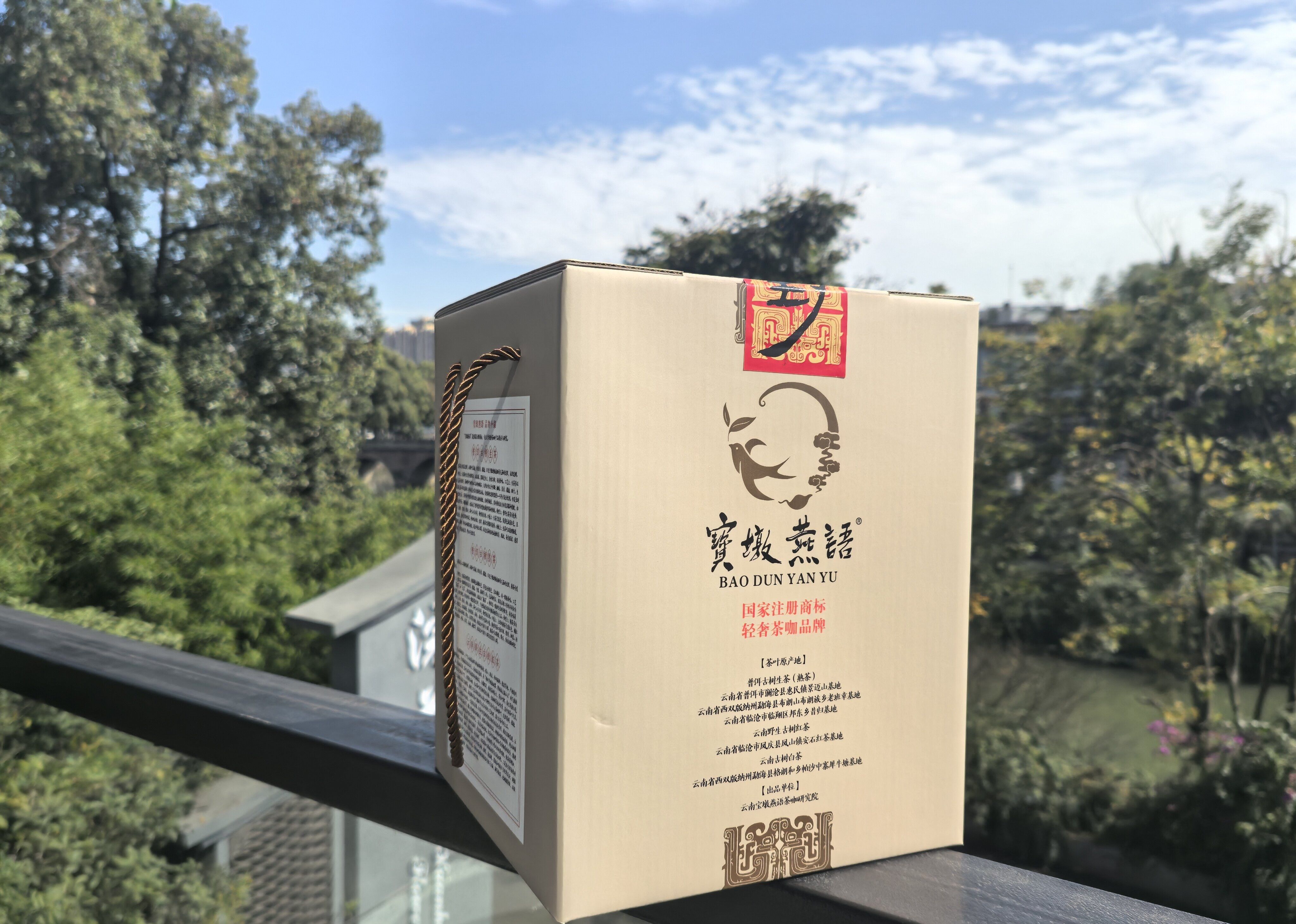
In the world of tea there is a kind of warmth that comes from time and from careful making, and that is where Baodun Yanyu ripe Pu-erh sits. Baodun Yanyu is a registered Chinese trademark for light-luxury ancient tea, working with Yunnan single-mountain ancient trees of 100 to 500 years, and its ripe Pu-erh carries a character of its own.
Baodun Yanyu ancient-tree ripe Pu-erh is aged for more than five years in ecological dry storage in Yunnan, and the pile fermentation (wo dui) behind it is carefully judged. The result is a mild tea — warm rather than sharp, and easy to drink as something that nourishes body and mind.
2. Why ripe Pu-erh is not brewed like raw
Pile fermentation (wo dui) does to the leaf in weeks what slow ageing does over years, so a ripe cake arrives already converted: dark, compressed and quick to dissolve. The practical consequence is that your risk runs the other way from raw Pu-erh. Raw tea forgives a long steep; ripe tea punishes it, turning thick and flat within a few extra seconds. Short, repeated infusions are not a ceremony here — they are how you keep the liquor clean.
Our ripe cakes are fermented from the same ancient-tree gardens as their raw counterparts — Pasha Rhino Pond in Menghai, Jingmai Great Village in Lancang — and then rested in dry storage in Yunnan before release. That rest is what takes the edge off freshly fermented material, and it is also the part a buyer should ask about by lot rather than assume.
3. Waking the tea: the two rinses
Waking the tea is the first step that matters. Pour boiling water over the leaf and tip it straight out, twice: the quick rinses awaken the beneficial microbial community deep in the leaf and lay the ground for everything that follows. They also loosen compressed material so the first drinking infusion comes out evenly instead of weak-then-sudden, wash off dust from pressing, storage and handling, and bring the vessel up to temperature so the next pour does not land in a cold pot.
What rinsing does not do is clean the tea of pesticide residues. We have written about that separately — the evidence on rinsing and residues is clear enough that it belongs in a laboratory report, not in a brewing habit. Use the rinse as a diagnostic instead: if the steam off the second rinse smells of a damp cellar rather than old wood and dried fruit, that is storage, and no amount of rinsing will correct it.
4. Water, timing and ratio
- Water — a full 100 °C, straight off the boil, for every infusion
- Rinses — twice, poured in and straight out
- Infusions 1–5 — about 5 seconds from pour to empty
- From the 6th — 10–15 seconds, extending as the colour fades
- Vessel — a gaiwan or a small clay pot; more leaf with shorter steeps beats less leaf left to stand
Extending the steep from the sixth infusion is what releases the thearubigins fully, and it is why the later cups taste rounder and thicker rather than simply weaker. Leaf quantity and time move against each other: the more leaf in the vessel, the shorter the steep. A crowded pot left to stand gives liquor that is dark but dull, and once a ripe tea has gone flat in the cup there is no recovering it in the next infusion. If you are working out a new cake, start at the short end and lengthen — you can always add seconds.
5. Reading the cup: colour, texture, warmth
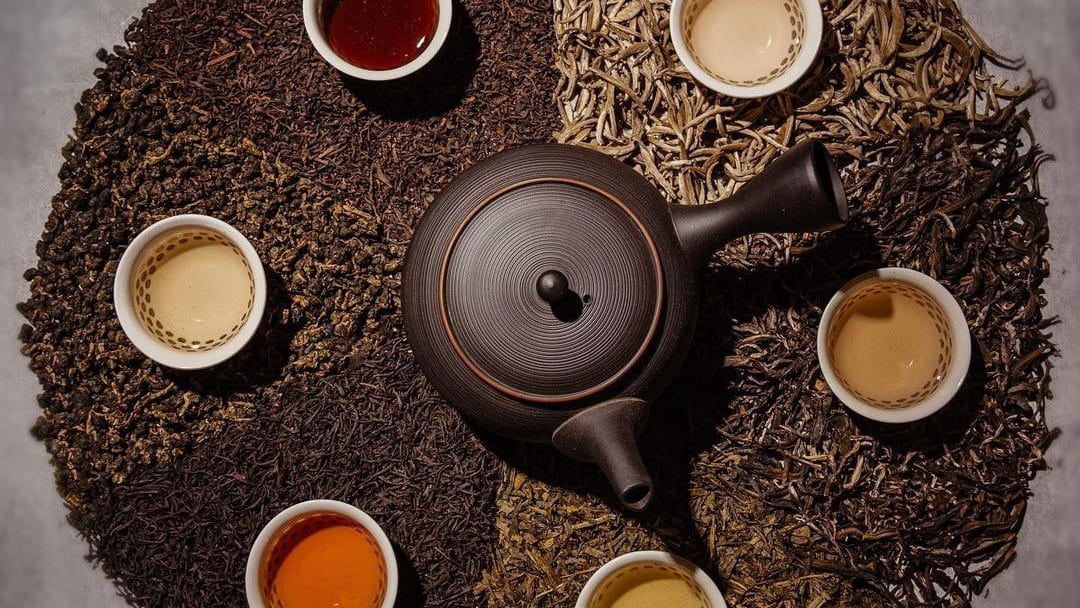
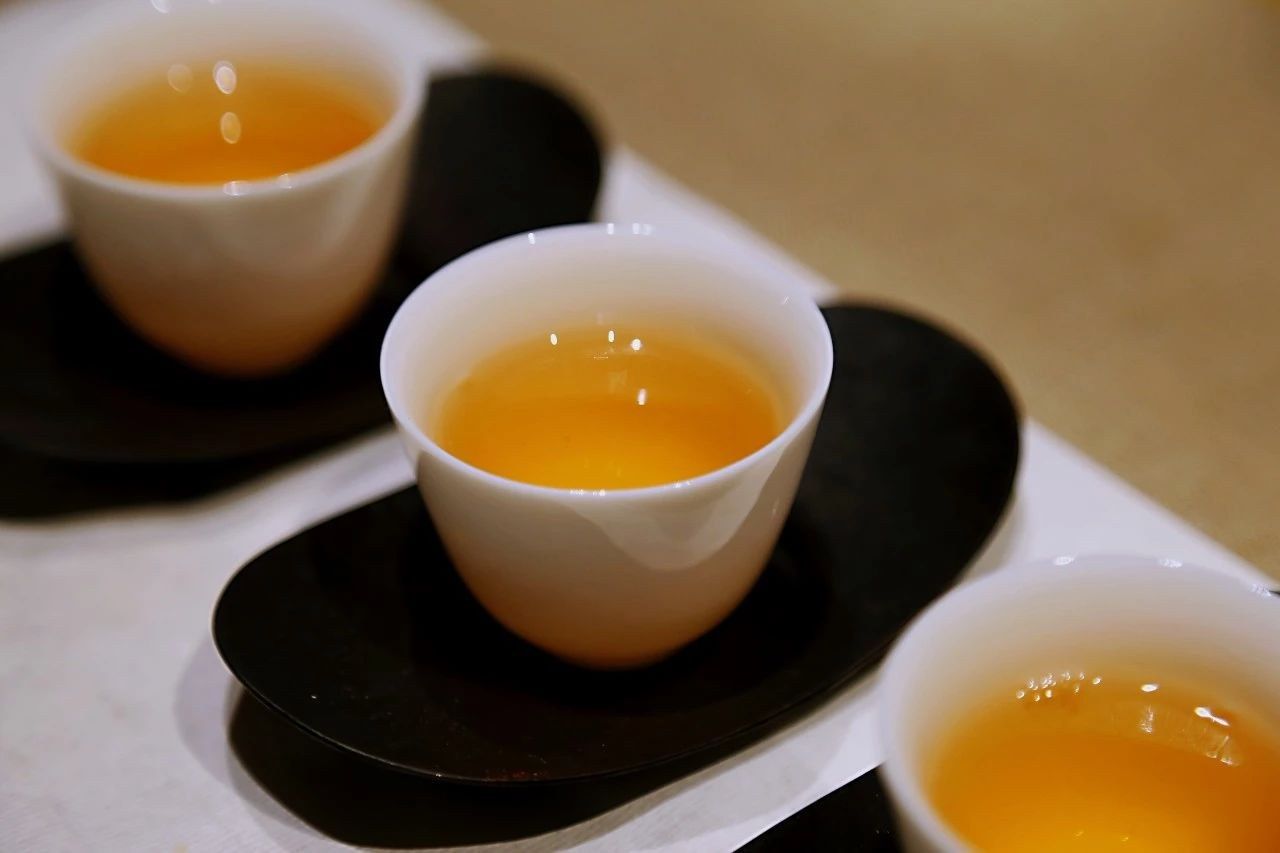
Colour first. A well-made, well-stored ripe Pu-erh pours a jewel-like red that stays transparent and free of sediment — you should be able to see the base of the cup through it. Persistent cloudiness usually points to broken material or a fermentation pushed too hard, and it does not clear up in later infusions.
Then the way it feels. The liquor goes down smooth as silk, and warmth rises gradually in the stomach afterwards, which makes this tea especially suited to people of a cold constitution. The aroma should read as old wood and dried jujube — not as a cellar or a wet cupboard.
6. When to drink it
The suggestion we give most often is to drink it about an hour after a meal. At that point ripe Pu-erh helps digestion without diluting stomach acid, and looks after the digestive system rather than competing with it. Because the tea is dark, low in bitterness and forgiving of being left on a table, it also travels well into hospitality settings — a pot that can be topped up all afternoon without turning harsh.
7. What the laboratory data shows
Laboratory testing of this tea puts its theabrownin content at 12% or more, which supports the lipid-lowering effect ripe Pu-erh is traditionally valued for. Theabrownins are the pigments formed during pile fermentation; they are also what gives the liquor its depth of colour and its rounded, mellow body.
8. Winter: tea around the stove
When the leaf stops giving colour to short infusions, it is not finished. Move the used leaf into a kettle, bring it to a gentle simmer, and the same cake gives a second, softer life: thinner in body, rounder and sweeter, and warm for far longer than a gaiwan session. On a cold day, a stove, a kettle and a cake of ripe Pu-erh give you aged aroma and jujube sweetness interwoven, and a warmth that stays with the room.
9. What a buyer should check before ordering
- Storage — where the cake has been kept and for how long; dry-stored Yunnan material smells of wood and dried fruit, never of a cellar
- Two dates, not one — the fermentation year and the pressing year are different, and both belong on the lot document
- Material — ancient-tree or plantation leaf changes both the mouthfeel and the price, so it has to be named per lot
- Sample from the lot you will actually buy, and brew it the way your customers will: same water, same vessel, same timing
Brewing parameters travel badly between teas. The numbers above are a starting point for ancient-tree ripe Pu-erh of the kind we press, not a universal recipe — a younger or more heavily fermented cake will want less time, an older one more. The point of a tasting protocol is to keep the variables still so that the differences you taste belong to the tea rather than to the way you made it.
Baodun Yanyu ancient-tree ripe Pu-erh is more than a cup of tea. It is a piece of warm care, and good company for the hours worth slowing down for.
Related reading: raw and ripe Pu-erh compared, five brewing myths, with the evidence, and the current tea catalogue.
Frequently Asked Questions
What water temperature does ripe Pu-erh need?
A full 100 °C, straight off the boil. Ripe Pu-erh is pile-fermented and pressed, so it needs heat to open; cooling the water the way you would for green tea gives a thin, flat cup.
How many times can ripe Pu-erh be infused?
There is no fixed number. It depends on how much leaf you use, the vessel and how long you steep. Judge by the cup rather than by a count: keep going while the liquor still carries colour and sweetness, extending the steep as both fade.
Should ripe Pu-erh be rinsed before drinking?
Two quick rinses with boiling water, poured off immediately. They open the compressed leaf, rinse off dust from storage and handling, and warm the vessel. Rinsing does not remove pesticide residues — that is a separate question, settled by a laboratory report rather than by the first infusion.