Is Tieguanyin a Green Tea? Is Da Hong Pao a Black Tea? How China's Six Tea Categories Work
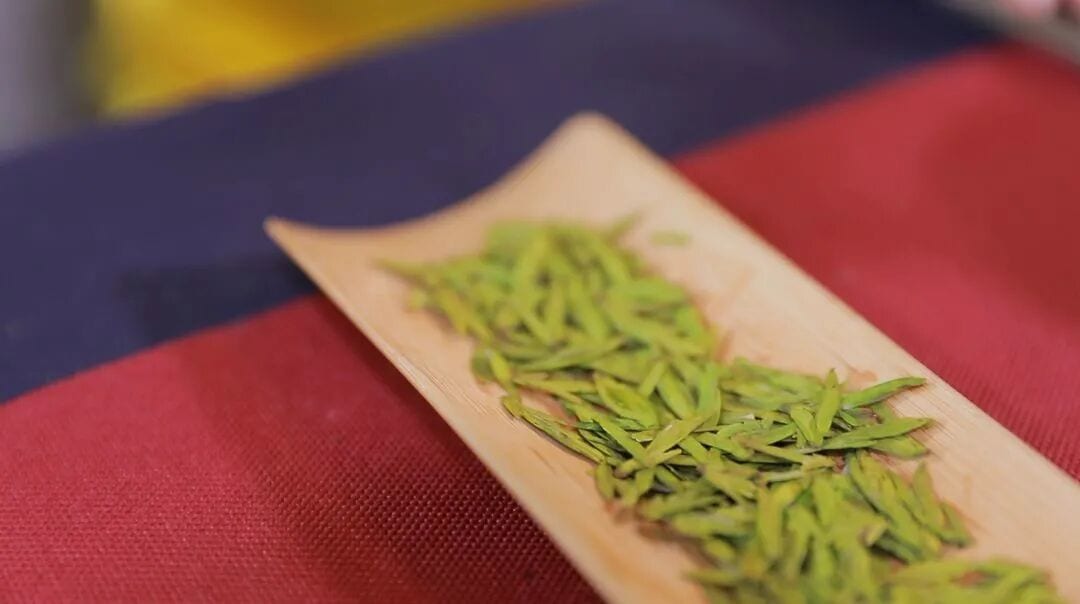
Tieguanyin and Da Hong Pao are both oolong tea, Junshan Yinzhen is a yellow tea and Biluochun is a green tea. China's national classification standard sorts tea into six categories by processing method and the resulting quality characteristics, not by the name of the tea, the color of the dry leaf or the color of the liquor.
| Tea name | Category | Processing step that decides the category |
|---|---|---|
| Tieguanyin | Oolong tea | Withering and leaf-edge bruising allow partial oxidation before fixing, rolling and drying. |
| Da Hong Pao | Oolong tea, within the Wuyi rock tea geographical indication | Partial oxidation followed by roasting; the roast darkens the leaf but does not make it a black tea. |
| Junshan Yinzhen | Yellow tea | A yellowing step is added after fixing, which separates yellow tea from green tea. |
| Biluochun | Green tea | Early fixing limits oxidation, then the leaf is rolled and shaped into a spiral. |
| Yunnan Pu-erh | Handled under its own Pu-erh product standard | Raw and ripe Pu-erh are separated by whether wet piling is used after the sun-dried material is made. |
Is Tieguanyin a green tea?
No. Tieguanyin is an oolong tea produced in Anxi, Fujian. The confusion comes from appearance: lightly oxidized and lightly roasted modern Tieguanyin can look green and taste floral, which resembles a green tea in the cup. The category is still decided by the process, because the leaf is withered and bruised so that partial oxidation happens before fixing. A green tea is fixed early precisely to prevent that oxidation.
Is Da Hong Pao a black tea?
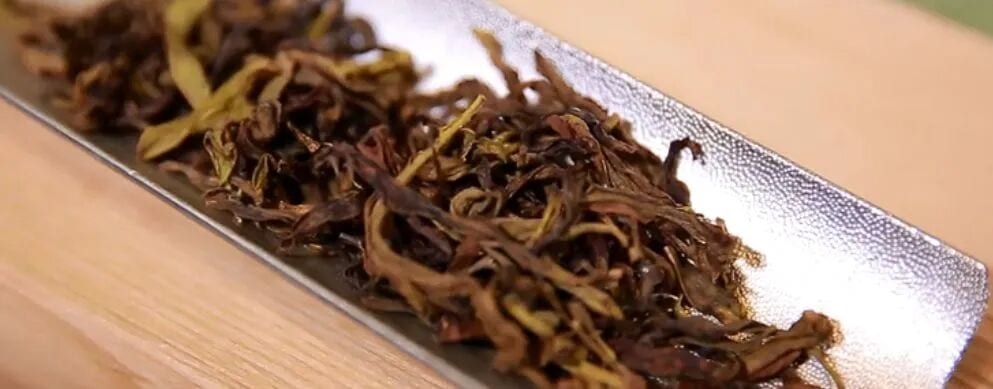
No. Da Hong Pao is an oolong tea, and it is one of the product categories defined inside the Wuyi rock tea geographical indication standard. Roasting gives the finished leaf a dark color and a toasty aroma, which is why buyers often read it as black tea. Chinese black tea is fully oxidized before drying, while Wuyi rock tea is only partially oxidized and then roasted. The word for red in the name refers to the tea's own story, not to the black tea category.
Official reference: GB/T 18745 geographical indication standard for Wuyi rock tea .
What categories are Junshan Yinzhen and Biluochun?
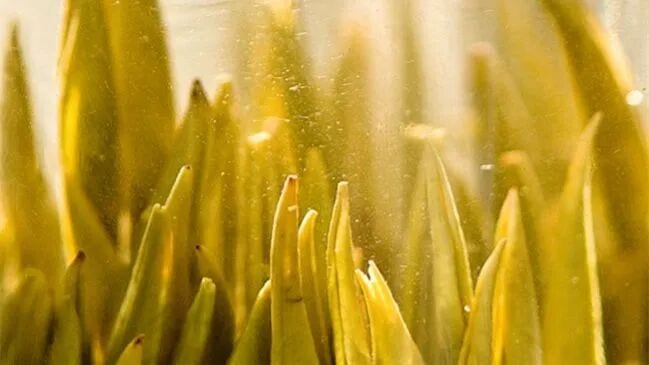
Junshan Yinzhen is a yellow tea and Biluochun is a green tea. Yellow tea is made with an added yellowing step after fixing, which is written into the national yellow tea standard; that step gives the category its name and its softer, rounder character. Biluochun is produced as a green tea under its own geographical indication standard, with early fixing, rolling and the spiral shape it is known for. Both are bud-rich teas, so the dry leaf and the brewed cup can look similar even though the processing differs.
Official references: GB/T 21726 national standard for yellow tea and the GB/T 18957 standard for Dongting Biluochun tea .
Why are Chinese teas classified by processing instead of color or name?
Because processing is the only property that stays stable across producers, seasons and price levels. The national classification standard GB/T 30766-2014 groups tea into green, yellow, white, oolong, black and dark tea according to processing technology and quality characteristics, and it is written for production, research, trade and inspection. Product names, marketing grades and the color of a photograph are not part of that framework. The six-category system is also a modern codification rather than an ancient one, which is why older names do not always match the category a tea belongs to today.
Official reference: GB/T 30766-2014 classification of tea .
How do you confirm a tea's category before you buy?
Check the product standard number printed on the package, because it tells you which product the batch is declared as. Then ask the supplier to describe the actual process steps in order, especially whether oxidation was partial or full and whether a yellowing or wet-piling stage was used. Finally, brew a sample and compare the dry leaf, the liquor and the wet leaf base against that description. For wholesale orders, do this on the same batch you intend to buy, not on a catalogue photograph.
Related reading: five tea quality myths, the difference between raw and ripe Pu-erh.
For Yunnan sourcing: what Yunnan large-leaf tea means and review the current tea catalogue.
Brewing questions are answered separately in five common brewing myths.
Frequently Asked Questions
Is Tieguanyin a green tea or an oolong tea?
Tieguanyin is an oolong tea. Lightly oxidized, lightly roasted styles can look and taste close to green tea, but the leaf is withered and bruised so that partial oxidation happens before fixing, which places it in the oolong category.
Is Da Hong Pao a black tea?
No. Da Hong Pao is an oolong tea and one of the product categories in the Wuyi rock tea geographical indication standard. Roasting darkens the leaf, while black tea is fully oxidized before drying.
How can I check which category a Chinese tea belongs to?
Read the product standard number on the package, ask the supplier for the process steps in order, and compare a sample's dry leaf, liquor and wet leaf base with that description before placing a wholesale order.