What Is Yunnan Large-Leaf Tea? How One Leaf Becomes Pu-erh, Dian Hong and White Tea
Yunnan large-leaf tea describes tea-tree material widely used in Yunnan. Different processing can turn its fresh leaves into raw or ripe Pu-erh, Dian Hong and Yunnan white tea. Large-leaf is not another name for ancient-tree tea, and the term alone does not prove origin or quality.
What does Yunnan large-leaf tea mean?
Large-leaf refers to a group of tea-tree resources with relatively large, thick leaves. Well-known Yunnan examples include Mengku, Menghai and Fengqing large-leaf types. A variety name tells buyers about the plant material, but it does not replace the named origin, harvest record or production lot.
How can the same leaf become different teas?
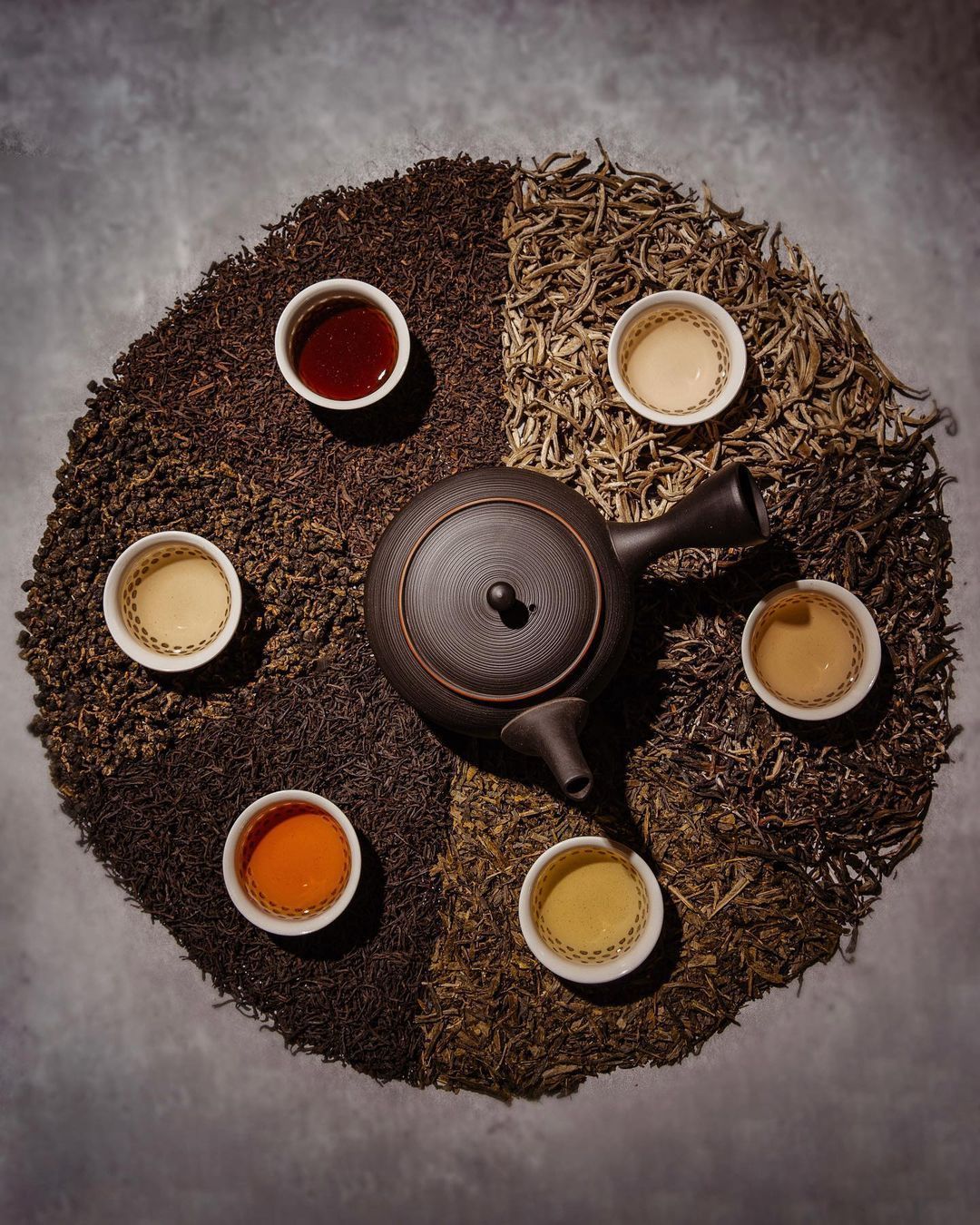
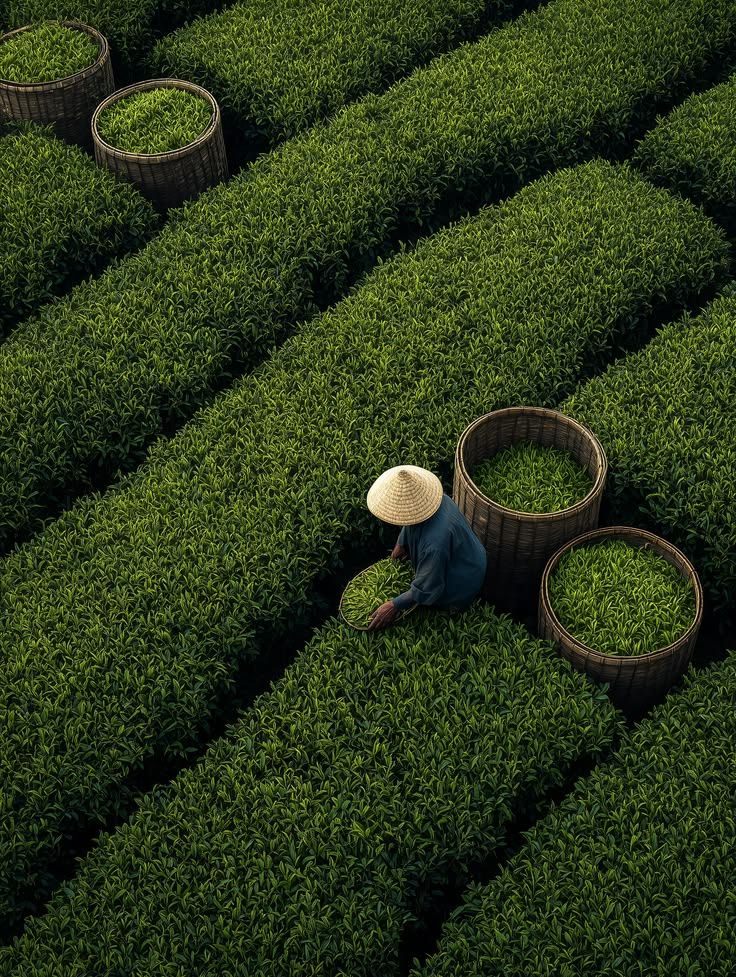
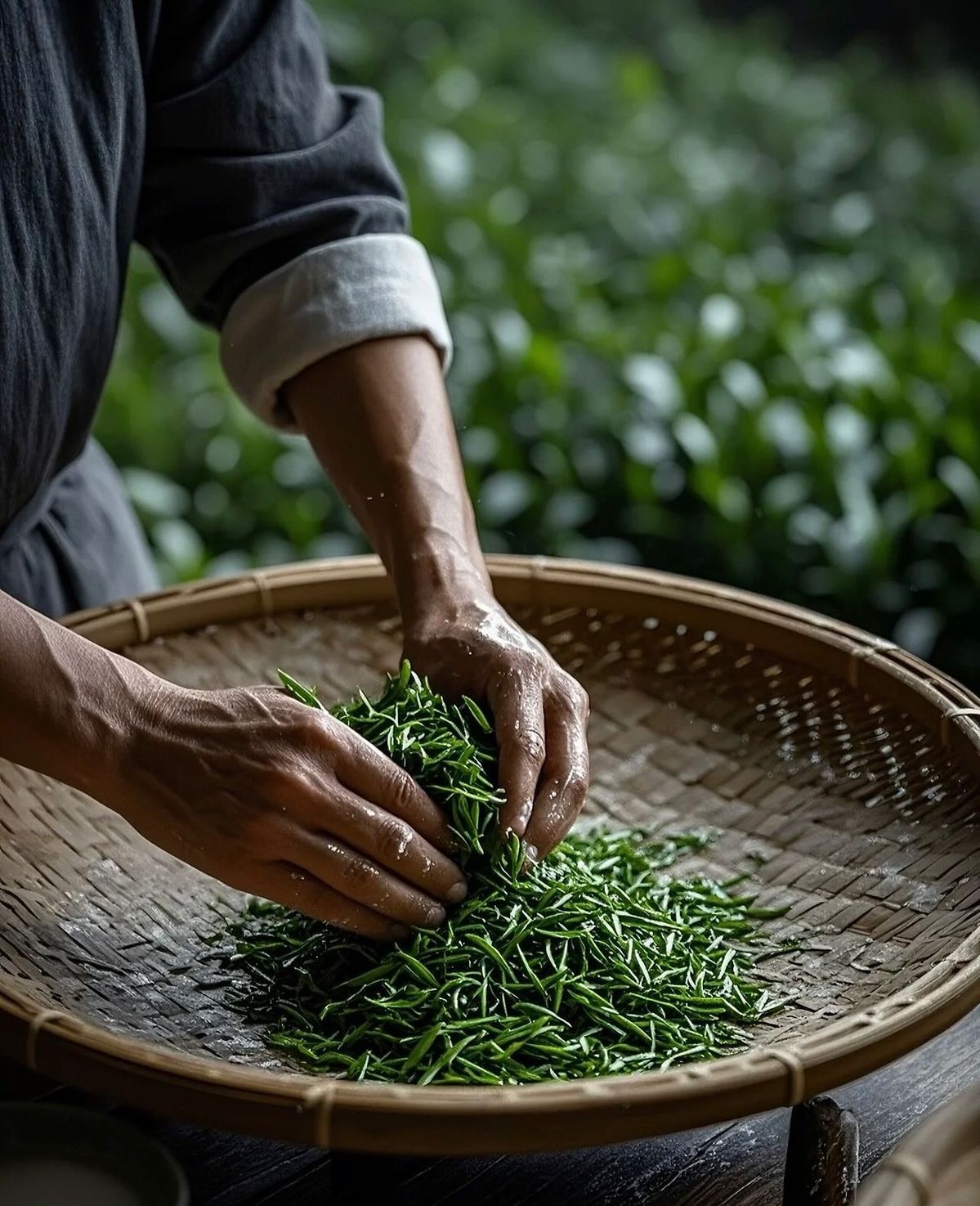
Fresh leaf is the starting material. Withering, fixation, rolling, sun-drying, oxidation and pile fermentation are selected and combined differently. Those choices determine the tea category and strongly shape the finished cup.
| Tea category | Key processing difference | Common cup direction |
|---|---|---|
| Raw Pu-erh | Sun-dried raw material, pressed or sold loose, without pile fermentation | Bright and structured; bitterness and returning sweetness vary by origin and lot |
| Ripe Pu-erh | Sun-dried raw material followed by pile fermentation | Darker liquor with a rounder, mellower profile |
| Dian Hong | Withering, rolling, oxidation and drying | Full-bodied, often with malt, honey or ripe-fruit notes |
| Yunnan white tea | Withering and drying with relatively light intervention | Soft sweetness with floral or honeyed directions |
Large-leaf tea is not the same as ancient-tree tea
Large-leaf describes the tea-tree material; ancient-tree is a description of tree age. A young cultivated tree can be a large-leaf type, while an ancient-tree claim still needs supporting origin and lot information. Neither term should be used as a stand-alone quality grade.
What should buyers verify?
Check the named mountain or village, tea category and process, harvest year, production lot, net weight and format. For trade orders, confirm that the approved sample corresponds to the supplied lot. Compare available formats in the product catalogue, then read the raw and ripe Pu-erh guide, the ancient-tree label guide and the Yunnan four tea regions guide for more context.
For wholesale selection, use the tea-tree type as one recorded fact among several. A named origin, clear process, confirmed lot and representative sample provide a more useful basis for comparison.
Frequently Asked Questions
Can Yunnan large-leaf tea only be made into Pu-erh?
No. Depending on the processing, Yunnan large-leaf material can be made into raw or ripe Pu-erh, Dian Hong, Yunnan white tea and other tea products. The finished category is determined by processing, not by leaf size alone.
Is Yunnan large-leaf tea the same as ancient-tree tea?
No. Large-leaf describes tea-tree material, while ancient-tree is a tree-age description. Buyers should check origin, harvest, lot, process and sample evidence together instead of treating either term as proof of quality.
Why do Yunnan large-leaf teas taste different from one another?
Origin, elevation, garden ecology, harvest, processing and production lot all influence aroma, liquor and taste. The tea-tree type is only one part of the finished cup.