Yunnan Mountain Tea Panorama 2026: The Full Data Release
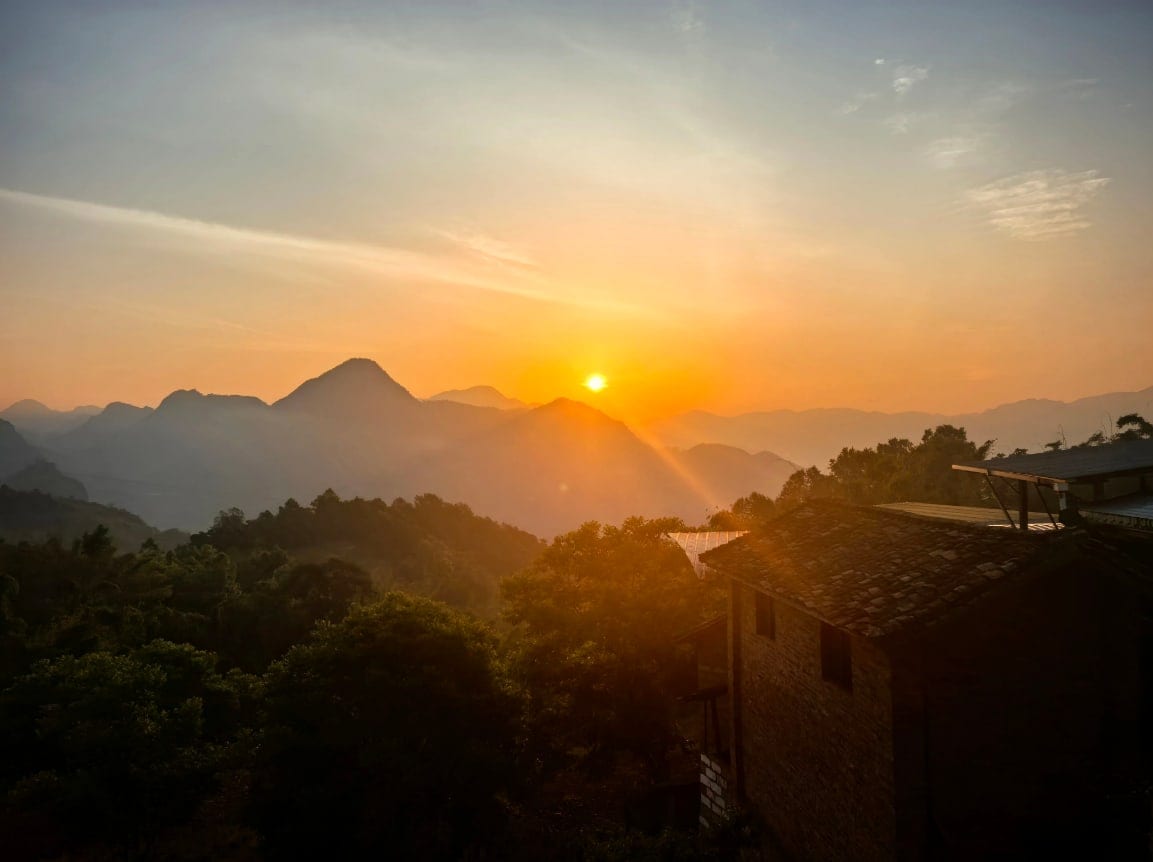
Yunnan mountain tea is the raw-material base of Pu-erh, and the shape of the whole producing area shows in how those origins are counted. There are roughly 2,000 named, commercially traded mountains or villages. Set out below by region, flavour, value tier and tree age, as of 2026.
1. Province-wide totals
- Named, commercially traded mountains or villages: ≈2,000
- In stable circulation, with a defined flavour and price: ≈200 (10%)
- Recognised core and top-tier names: 80–100 (4–5%)
- Small or unnamed villages and scattered gardens: ≈1,700 (85%), mostly blending and everyday tea
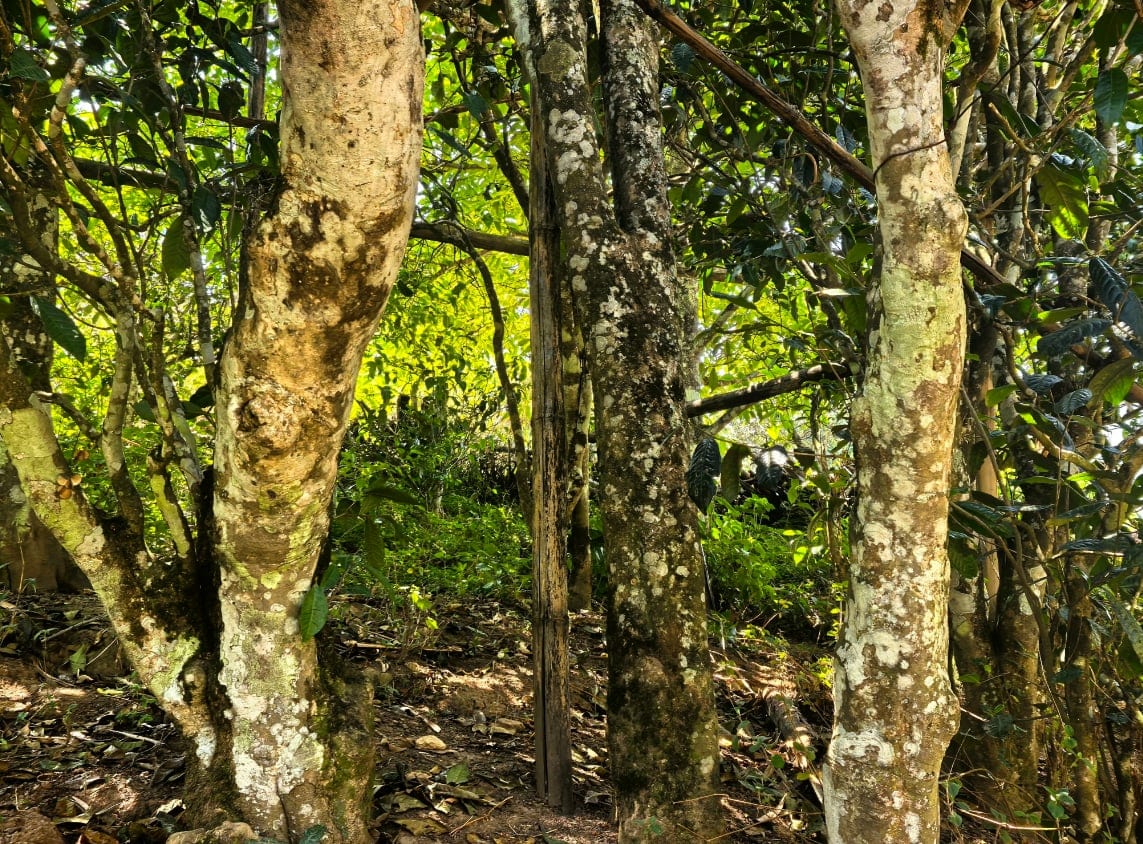
2. Origins by region (the 2,000 broken down)
- Xishuangbanna: 650 (32.5%)
- Yiwu area, including the old six mountains: 300
- Menghai area — Bulang, Nannuo, Hekai, Pasha: 350
- Flavour: Yiwu soft, Menghai forceful; honey and floral-fruit aromatics
- Lincang: 650 (32.5%)
- Mengku, including the Bingdao villages: 250
- Bangdong, including Xigui: 150
- Yongde, Fengqing, Yunxian: 250
- Flavour: rock-sugar sweetness, high clear aroma, the least bitterness and astringency
- Pu'er city (former Simao): 550 (27.5%)
- Jingmai and Mangjing: 100
- Bangwei, Kunlu Mountain, Qianjiazhai: 150
- Wuliang Mountain, Ailao Mountain, Jinggu: 300
- Flavour: mild and balanced, bitterness that converts quickly, thick body
- Baoshan, Dehong, Dali, Honghe, Wenshan: 150 (7.5%)
- Baoshan (Gaoligong): 50 — high aroma and mellow
- Dehong, Honghe, Wenshan: 70 — sweet and even
- Dali, Nujiang: 30 — light and niche
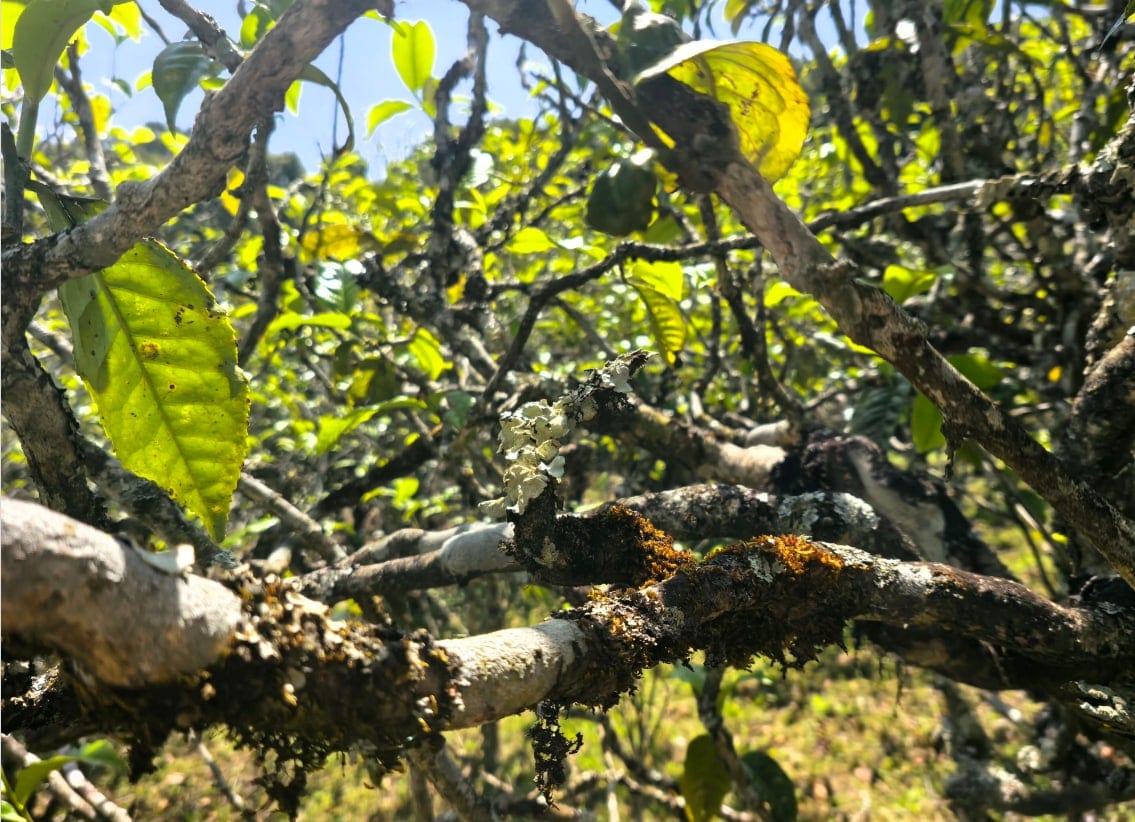
3. Flavour types (share of the 2,000)
- Soft, sweet and fragrant (Yiwu type): 700 (35%) — Mahei, Luoshuidong
- Forceful with strong returning sweetness (Menghai type): 400 (20%) — Laobanzhang, Nannuo
- Rock-sugar clarity (Lincang type): 500 (25%) — Bingdao, Xiaohuzhai
- Mild and balanced (Pu'er type): 300 (15%) — Jingmai, Kunlu Mountain
- Niche and distinctive: 100 (5%) — rock rhyme, wild aromatics, unusual profiles
4. The value pyramid (the 2,000 by tier)
- Collector tier: 5%, ≈100 origins
- Names: Laobanzhang, Bingdao old village, Manson, Bohetang, Guafengzhai tall-trunk
- Character: scarce, tall-trunk, 300 years and older, primary forest
- Premium tasting tier: 15%, ≈300 origins
- Names: Mahei, Wangong, Xigui, Xiaohuzhai, Jingmai, Bangwei
- Character: benchmark quality, stable flavour, strong ageing potential
- Mid tier, everyday drinking: 30%, ≈600 origins
- Names: Luoshuidong, Hekai, Pasha, Molie, Mangfei, Qianjiazhai
- Character: consistent quality and the main body of circulation
- Blending base: 50%, ≈1,000 origins
- Spread: small villages and unnamed hillside gardens in every region
- Character: standardised everyday tea and blending material
Raw-material price bands are left off this page. They move with each spring harvest and differ between gardens inside the same village, so a published figure dates quickly. Ask for the current band for the specific origin and grade you are considering.
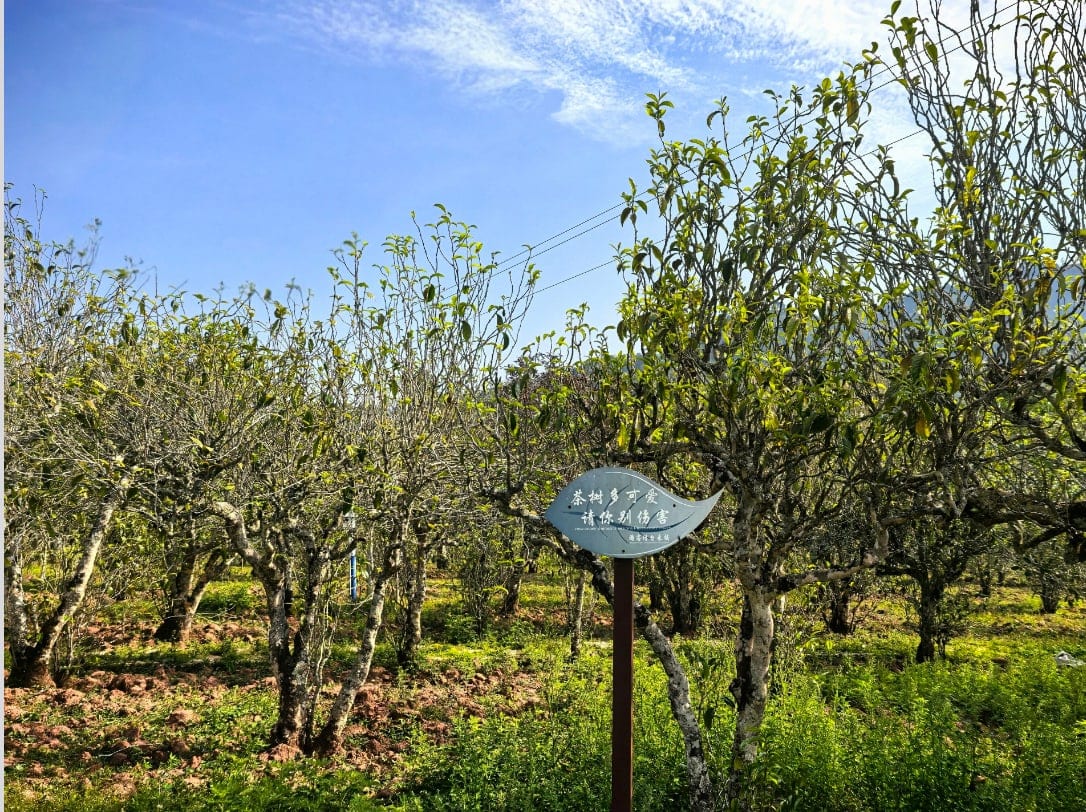
5. Tree-age structure (share of the material)
- Ancient trees, 200 years and older: 15%, ≈300 origins — collector and premium tiers
- Mature trees, 50 to 200 years: 35%, ≈700 origins — the main body of the mid tier
- Ecological and young trees, under 50 years: 50%, ≈1,000 origins — everyday tea and blending
6. The 2026 picture at a glance
- Three core regions hold 90% (1,800): Xishuangbanna 650, Lincang 650, Pu'er 550
- Flavour splits three ways: soft-sweet 35%, forceful 20%, rock-sugar sweet 25%
- Value forms a pyramid: 5% collector, 15% premium, 30% mid tier, 50% everyday
- Small villages are 85%: the base layer for everyday tea and blends
7. What these numbers change when you buy
The three-region concentration is the figure that reshapes a sourcing plan most. With 90% of named origins sitting in Xishuangbanna, Lincang and Pu'er, a realistic shortlist for almost any brief can be built inside those three, and sampling trips, pressing and quality checks can be planned around three hubs instead of scattered across the province. The remaining 10% — Baoshan and the smaller areas — earns its place when you specifically want a cup that does not taste like the mainstream, and you accept a thinner supply base in exchange.
The flavour split describes how much material exists in each style, not which style is better. If your market wants the soft, sweet Yiwu-type profile — roughly 35% of origins — you have the widest choice, the most comparable samples and the most room to move on grade. If you want the forceful Bulang and Laoman'e character, closer to 20%, the pool is narrower and the better spring lots are committed early, so timing your order matters more than negotiating it.
The value pyramid is where most private-label plans go wrong. The 5% collector tier and 15% premium tier shape a region's reputation, but the 30% mid tier and 50% everyday tier are what a repeat programme actually runs on. The useful question for those layers is not whether a village is famous, but whether it can supply the same profile again next spring in the volume you need — consistency, not prestige, is what decides whether a second order is possible.
The 85% share held by small villages explains why single-origin lots stay small. A small village may yield only a few hundred kilograms of spring ancient-tree material in a season, which is enough for a limited release and not enough for a line you intend to reorder. That is why a repeatable product is usually a blend built to a written recipe, with the village, tree age and harvest recorded on each lot document so the same cup can be rebuilt the following year.
Related reading: Yunnan's four tea regions, how to read a Yunnan ancient-tree label, and the current tea catalogue.
Frequently Asked Questions
How many mountain tea origins does Yunnan actually have?
Around 2,000 carry a name and are traded commercially, but only about 200 circulate with a stable identity and flavour, and 80 to 100 are treated as core names. The rest are small villages supplying blends.
Which prefecture has the most named origins?
Xishuangbanna and Lincang are level at roughly 650 each, followed by Pu'er city with about 550. Together the three hold around 90 per cent of Yunnan's named mountain origins.
Is ancient-tree material the majority of Yunnan production?
No. Trees of 200 years and older account for about 15 per cent of the material behind these origins. Mature trees of 50 to 200 years make up roughly 35 per cent, and younger ecological gardens about half.