How to Choose Mid-to-High-End Yunnan Tea: Origin, Lot and Product Collection
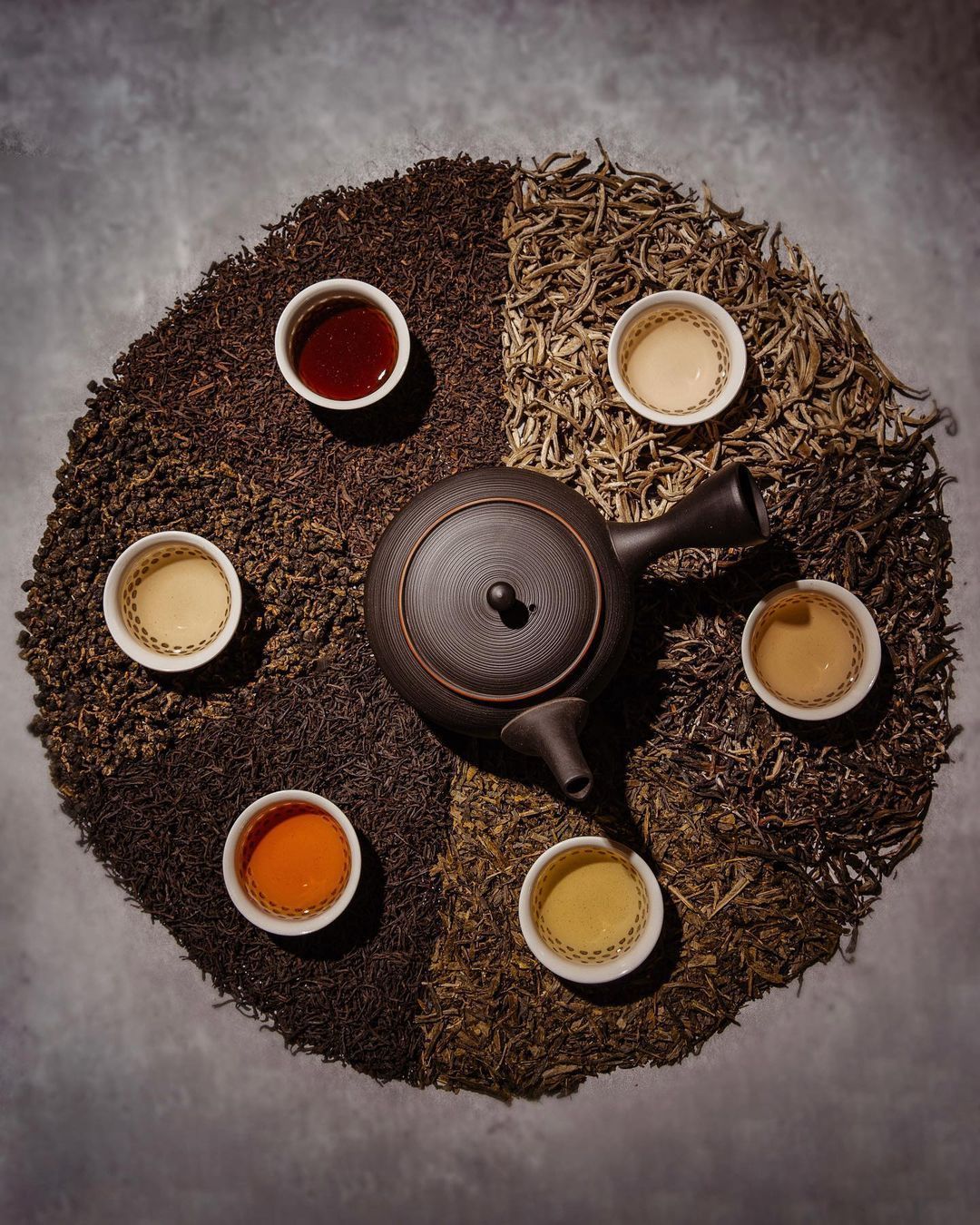
Choose mid-to-high-end Yunnan tea by checking the named origin, tea-making process, harvest lot, format, sample consistency and product collection together. Price or an ancient-tree label alone cannot provide enough information for a sound buying decision.
What to check first when choosing mid-to-high-end Yunnan tea
Begin with information that can be recorded and compared: tea category, named mountain or village, harvest year, production lot, net weight, format and tasting profile. For trade purchases, ask whether the approved sample corresponds to the goods supplied. These details make product selection, labelling and repeat orders easier to manage.
Check the origin, not only the ancient-tree name
Yunnan is commonly discussed through Xishuangbanna, Pu'er, Lincang and Baoshan, but a regional name is only the starting point. Compare the exact mountain or village and its documented profile. Read our Yunnan four tea regions guide and ancient-tree tea label guide before comparing named lots.
Why lot, year and sample matter
A place name does not make every harvest identical. Weather, picking period and processing can change the cup from one lot to another. Confirm the harvest year and lot number, then retain an approved sample as the reference for aroma, liquor, taste and leaf appearance. Tree-age descriptions should be considered alongside origin and lot records, not used as a stand-alone quality grade.
Choose tea category and format for the sales channel
Importers and distributors may need a balanced range of raw and ripe Pu-erh, Dian Hong and Yunnan white tea. Tea houses often value named-origin cakes and clear tasting notes, while gift and e-commerce channels may prefer gift boxes, mini-tablets or smaller loose-leaf packs. Review the available categories and formats in the product catalogue.
How to choose between Baodun Yanyu and Dianwu Gongya
Baodun Yanyu supports a practical, multi-category wholesale range. Dianwu Gongya centres on five named origins in the Three Mountains and Two Villages collection, with stronger emphasis on origin narratives and gift presentation. They serve different assortment needs within the same company. See the two-brand introduction for the background of both collections.
| Comparison point | Baodun Yanyu | Dianwu Gongya |
|---|---|---|
| Positioning | Classic, practical wholesale range | Heritage collection built around named origins |
| Product range | Raw and ripe Pu-erh, Dian Hong, white and specialty tea | Five named-origin teas in the Three Mountains and Two Villages collection |
| Origin emphasis | A broad selection across Yunnan tea regions | Wangzi, Kunlu and Manglu mountains; Mahei and Yangta villages |
| Suitable channels | Importers, distributors, tea houses and specialist retail | Specialist retail, gifting, hospitality and collection |
| Presentation direction | Flexible everyday, sampling and wholesale presentation | Origin-led heritage and gift presentation |
Historical context describes the origin story; it is not a claim of present-day official or royal endorsement.
Frequently Asked Questions
Is older tree age always better for mid-to-high-end Yunnan tea?
No. Tree age is one part of the description. Named origin, ecological setting, harvest, processing, lot records and the approved sample should be considered together.
Why should the tea sample correspond to the supplied lot?
A matched sample gives both buyer and supplier the same reference for aroma, liquor, taste and leaf appearance, making approval and repeat orders more consistent.
Which channels suit the two brand collections?
Baodun Yanyu suits importers, distributors, tea houses and specialist retailers building a multi-category range. Dianwu Gongya is oriented toward specialist retail, gifting, hospitality and collection-led offers.