What Tea Is Best When Drinking Alone? A Guide to Choosing and Brewing Tea for Quiet Moments
The best tea for drinking alone is the one that matches the flavour you want and the way you prefer to brew. Choose raw Pu-erh or Yunnan white tea for a brighter, fresher cup; choose ripe Pu-erh or Dian Hong when you prefer a rounder, mellower profile. For one person, a small vessel and a measured portion make repeated infusions easier to control.
Start with the flavour you want
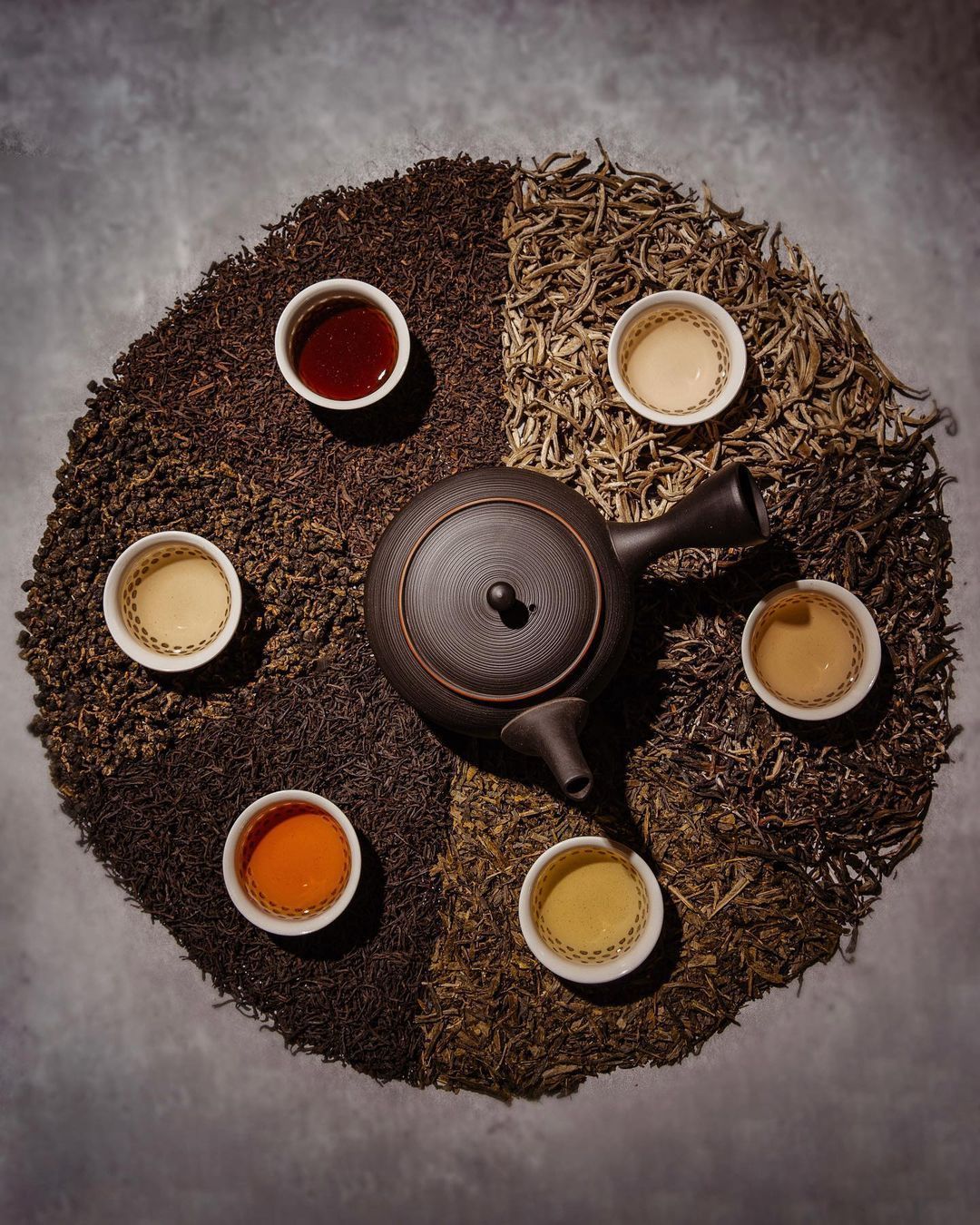
Solo tea does not require a special category. It is more useful to decide whether you want a bright, structured cup or a softer, fuller one. The table below is a starting point; the exact aroma and taste still depend on origin, harvest and processing lot.
| Tea style | Typical cup profile | A useful choice when |
|---|---|---|
| Raw Pu-erh | Bright, aromatic and structured; bitterness and returning sweetness vary by lot | You enjoy short infusions and watching the cup change |
| Ripe Pu-erh | Dark liquor with a mellow, rounded profile | You prefer a smooth and approachable cup |
| Dian Hong | Full-bodied, often with malt, honey or ripe-fruit notes | You want an easy everyday tea with a fuller aroma |
| Yunnan white tea | Soft sweetness with floral or honeyed notes | You prefer a gentle cup and simple brewing |
How much tea should one person use?
For a 100–120 ml gaiwan or small teapot, 5–7 g of leaf is a practical starting range. Use less leaf or shorter infusions if the cup feels too strong; use slightly more leaf or extend the infusion if it feels too light. Treat these figures as a starting point and follow the instructions supplied with the specific tea.
A simple way to brew tea for one
Prepare a small pot or gaiwan, one cup and a way to keep hot water nearby. Warm the vessel, add the measured leaf and begin with short infusions. Smell the leaf and compare the liquor from one infusion to the next, then adjust time rather than changing several variables at once. This keeps the process simple while making the tea easier to understand.
Choose a format that suits solo drinking
Loose leaf and mini-tablets are convenient when you want a quick, repeatable portion. A 357 g cake is useful when you plan to drink the same tea over time and do not mind breaking off each serving. Compare available formats in the product catalogue. For more context, read the raw and ripe Pu-erh guide and the Yunnan four tea regions guide.
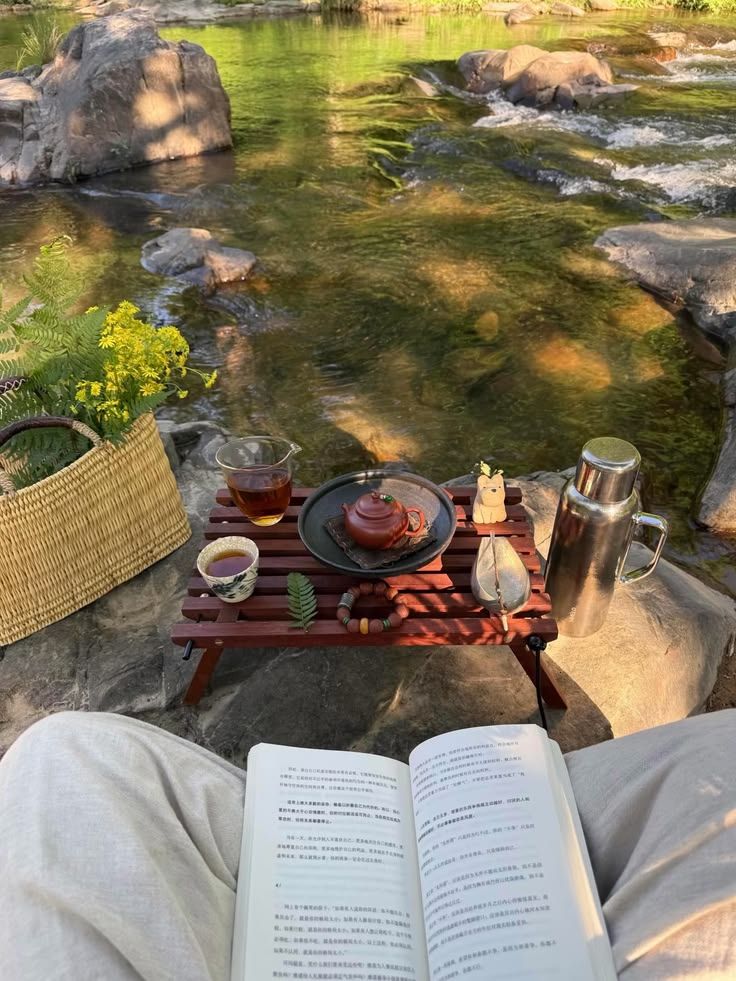
A quiet tea session does not need elaborate equipment. Start with one flavour direction, one small brewing vessel and one tea you can compare across several infusions.
Frequently Asked Questions
Which tea is easiest for a beginner drinking alone?
Ripe Pu-erh and Dian Hong are approachable starting points for drinkers who prefer rounded, mellow flavours. Raw Pu-erh and Yunnan white tea suit those looking for brighter or gentler profiles. The best starting tea still depends on personal taste.
How many grams of tea should one person use?
For a 100–120 ml gaiwan or small teapot, begin with 5–7 g of leaf. Adjust the leaf amount or infusion time according to the tea and your preferred strength.
What teaware is enough for one person?
A small gaiwan or teapot, one cup and a kettle or insulated flask are enough. A simple setup makes it easier to control portions and compare consecutive infusions.