Royal Tribute Tea from Yangta Old Village: Yunnan Tea's White Moon
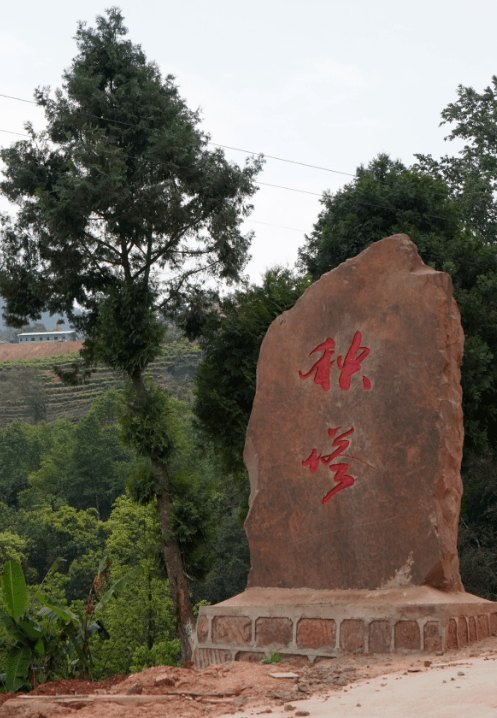
Yangta Old Village in Minle, Jinggu is a historic home of Jinggu large-white tea and the White Dragon Whisker tribute-tea story. The tea is recognised for substantial buds covered in silver-white hairs; careful withering and drying give a clear, sweet cup whose downy, floral and honeyed aromas change gradually with storage.
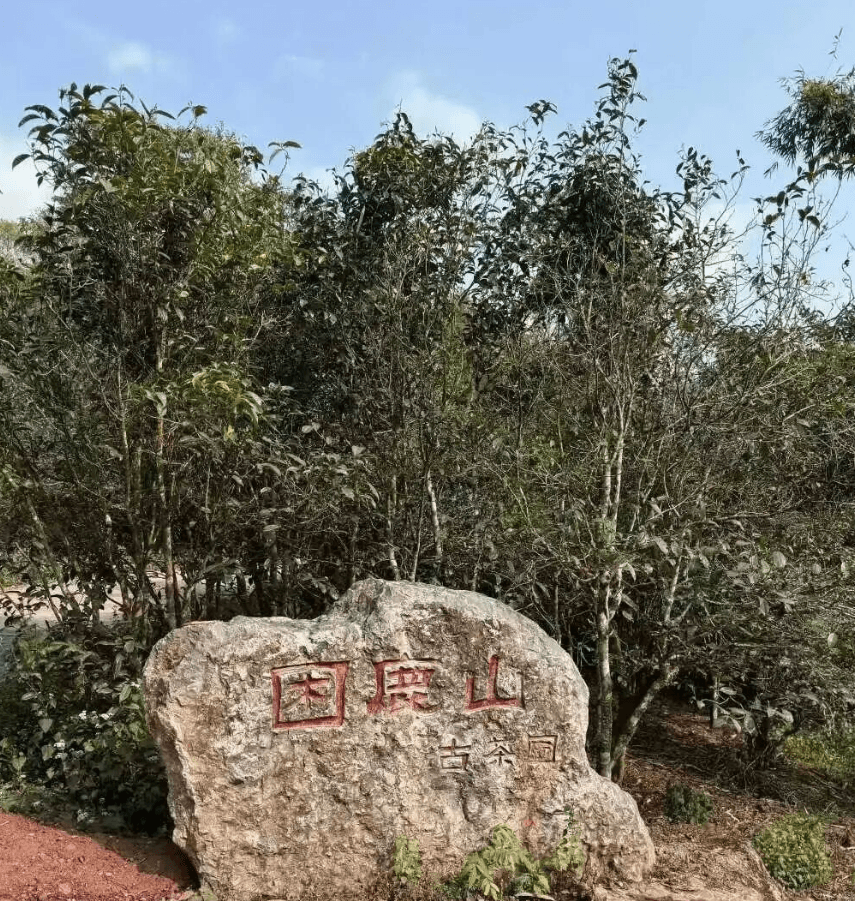
The mountain setting of Yangta Old Village
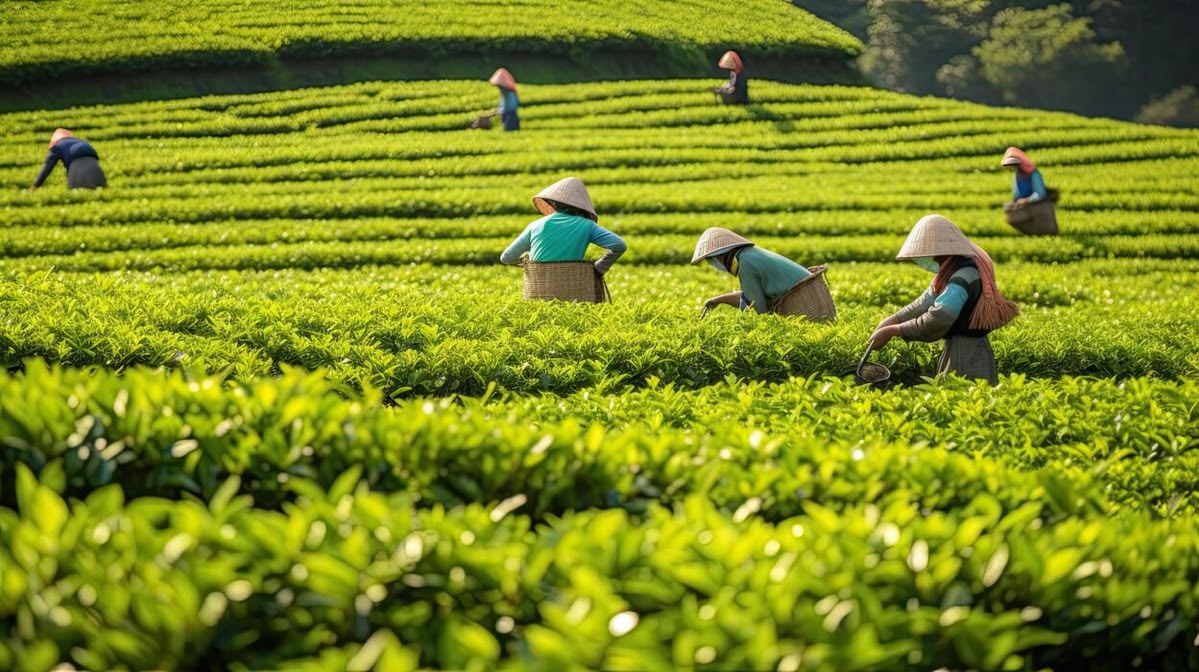
Yangta is a village group of Dacun Village in Minle Town, Jinggu Dai and Yi Autonomous County, Pu'er. The Jinggu large-white-tea production standard places the county's main tea gardens in mountain and semi-mountain areas around 1,000 to 2,000 metres above sea level. The terrain, mist and forest around Yangta help explain why the village became closely identified with this particular large-leaf cultivar.
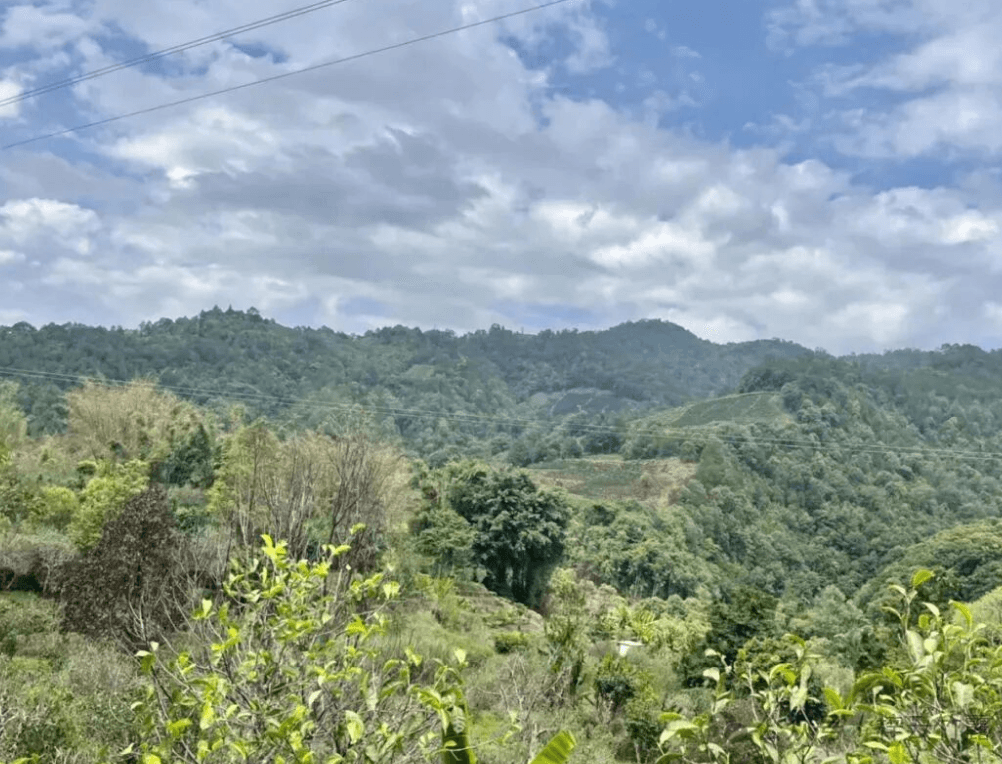
- Administrative location: Yangta Village Group, Dacun Village, Minle Town, Jinggu County, Pu'er, Yunnan
- Production landscape: mountain and semi-mountain tea gardens within the Jinggu large-white-tea area
- Local identity: Yangta large-white tea is also widely called Jinggu large-white tea
A place name is useful only when it stays attached to a real lot. For sourcing, the village, garden, harvest season and finished batch should be recorded together; the landscape describes the origin, while the sample shows what that batch actually tastes like.
The cultivar and traditional white-tea process
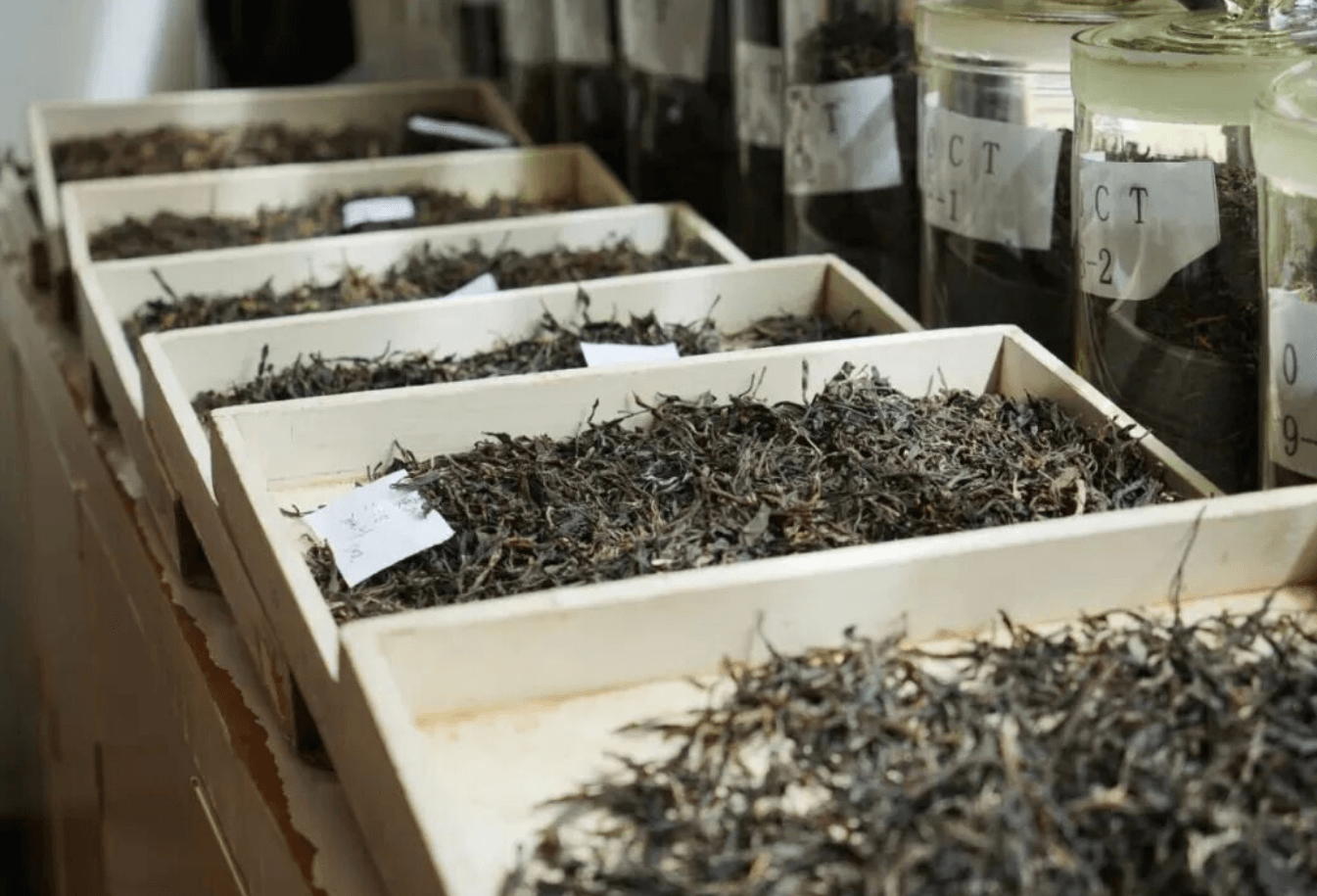
Yangta large-white tea is a large-leaf, tree-form tea cultivar noted for thick shoots and conspicuous white hairs. The buds look substantial rather than needle-thin, and finished single-bud tea can appear silver-white and weighty. This visible down is a varietal feature, but it is not a quality grade by itself: picking standard, weather, withering, drying and lot condition still decide the finished cup.
- Leaf character: large, substantial buds and leaves with abundant silver-white hairs
- White-tea route: withering, drying and sorting, without the rolling used for many other tea categories
- Other uses: the same local cultivar can also be processed into green, black or Pu-erh-style tea
The local white-tea standard divides loose Jinggu large-white tea into White Dragon Whisker, Moon Beauty, Moonlight White and Moonlight Shou according to raw material and appearance. The names describe different finished forms; buyers should still confirm the picking grade and production lot rather than infer them from a name alone.
How the cup changes from new tea to stored tea
When newly made, Jinggu large-white tea commonly gives a pale yellow to golden liquor, a pronounced downy or tender aroma, and a fresh, sweet taste. Floral and light fruit notes may appear, but their intensity varies with the picking, weather and drying. A clean cup should feel clear and lively rather than perfumed by a fixed recipe.
With time, the liquor can deepen towards gold or amber and the fresh aromas may settle into honeyed, dried-flower or woody notes. Storage decides whether that change is attractive: the tea needs a clean, dry, odour-free environment, and age alone cannot guarantee better flavour. Compare stored tea by lot, condition and cup rather than by year alone.
The White Dragon Whisker tribute-tea account
The Yunnan Provincial Department of Agriculture and Rural Affairs records a local account from the Qing Daoguang period: local tusi made large-white tea into tribute cakes and bricks for the capital, and the long, silvered leaf was called White Dragon Whisker because its shape resembled a dragon's whiskers. This is the historical basis for describing Yangta through the language of tribute tea.
The history should be stated with its boundary intact. Royal tribute tea here describes an origin story associated with a historical period; it does not mean that a present-day product carries government, court or royal endorsement. That distinction keeps the story useful without turning it into a modern certification claim.
Yangta within the Dianwu Gongya collection
Baodun Yanyu is rooted in the core tea regions of southwestern Yunnan. Within the Dianwu Gongya heritage collection, Yangta Old Village is one of the named origins in the Three Mountains and Two Villages selection, alongside Wangzi, Kunlu and Manglu mountains and Mahei Old Village. Yangta supplies the white-tea expression of that group.
- Confirm the village and garden rather than relying on the words Jinggu white tea alone
- Match the tasting sample to the harvest and production lot named in the order
- Record the picking grade, drying method, storage condition and packing date
- Use the tribute-tea story as historical context, while describing the current lot with verifiable facts
For Baodun Yanyu, Yangta is not a decorative historical name. It is a lot-specific origin whose large white buds, processing route and cup profile must remain consistent from the sample to the packed tea.
Produced by: Baodun Yanyu Tea Industry (Sichuan) Co., Ltd. Editor: Yanyu. Notice: This information is shared for reference. Please contact us if it raises a copyright concern.
Related reading: the Yangta royal white tea lot, the Dianwu Gongya tribute-tea collection, and how Yunnan large-leaf tea is defined.
Frequently Asked Questions
Where is Yangta Old Village?
Yangta is a village group of Dacun Village in Minle Town, Jinggu Dai and Yi Autonomous County, Pu'er, Yunnan. It lies within the mountain zone where Jinggu large-white tea is grown.
What makes Yangta large-white tea distinctive?
The cultivar is known for large, substantial shoots with abundant silver-white hairs. When made as white tea, the leaf is withered and dried with little physical intervention, preserving a clear sweetness and downy, floral aroma.
Does royal tribute tea mean the tea has modern official endorsement?
No. The phrase refers to a local historical account from the Qing Daoguang period, when local tusi are recorded as sending cakes and bricks of large-white tea to the capital. It is historical context, not a claim of modern government or royal endorsement.